Hospitalized to Fit and Healthy Again
"Joining a program like this is crucial before trying everything else out there. Accepting you need help and using the tools provided can lead to lasting recovery."
Individual results vary. This is one person's experience and is not a guarantee of specific outcomes.
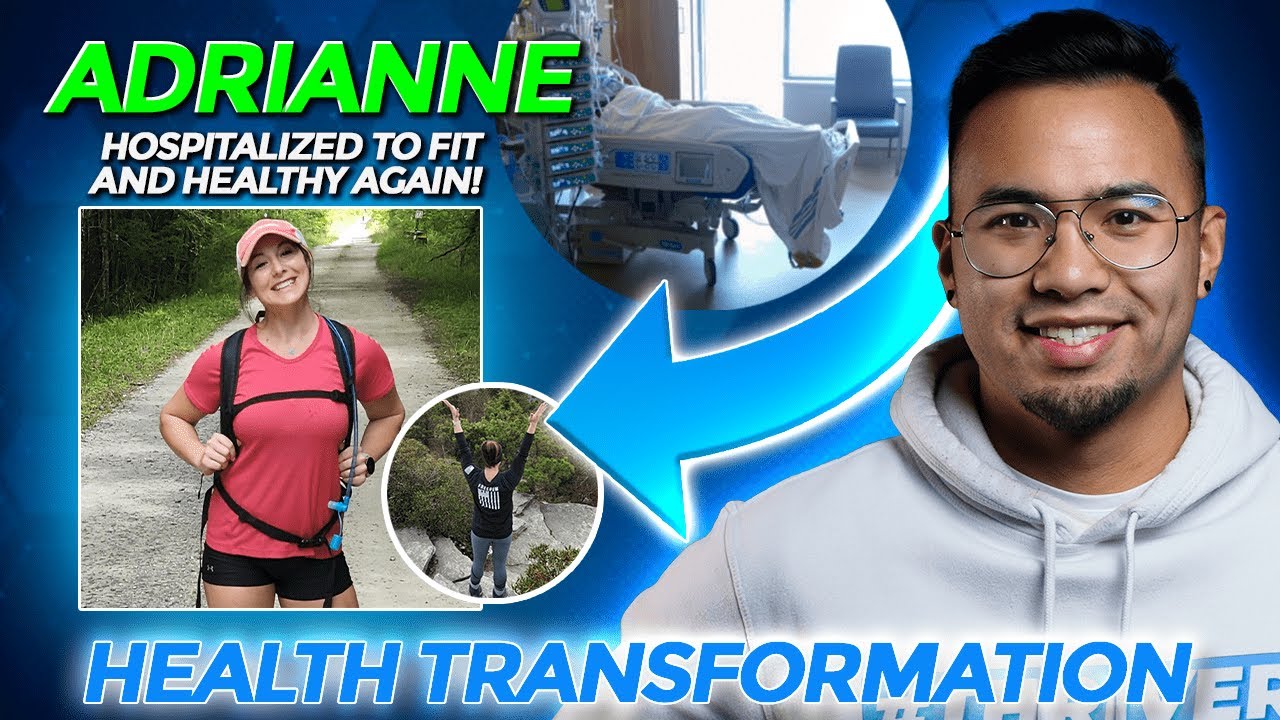
Watch Adrianne's full recovery interview
Key Takeaways From Adrianne's Recovery
| Condition: | ME/CFS and POTS. Hospitalized and completely bedridden, unable to even lift her arm without shooting pain. |
| Biggest challenge: | Terrified to move. Heart rate spiking to 130-140 BPM just from sitting up. Trapped in a downward spiral of fear and symptoms. |
| What worked: | Nervous system retraining through CFS Recovery's recovery system. Learning to separate physical symptoms from emotional response. |
| Turning point: | Understanding that the symptoms were her nervous system recalibrating, not a sign that something was wrong. That shift in understanding changed everything. |
| Now: | Fit and healthy again. From hospital bed to wheelchair to walker to walking on her own two feet. |
How Adrianne Ended Up Hospitalized With ME/CFS
Adrianne's body got stuck in what we call a downward spiral. It started with symptoms that seemed manageable. Then the fear set in. She felt like something was seriously wrong, but doctor after doctor told her the same thing: your tests are normal. Scans are normal. Blood work is fine. On paper, she looked healthy.
But she wasn't fine. Not even close. The disconnect between what the doctors said and what she was feeling made everything worse. What if it was something undiscovered? What if she needed a specialist no one had thought of? These questions ran on a loop, pushing her nervous system deeper into fight or flight.
The downward spiral
As her anxiety and fear increased, she felt more symptoms. More symptoms meant more anxiety. More anxiety meant more symptoms. They kept amplifying each other until she ended up completely bedridden and terrified to move. Even standing up was terrifying. Even sitting up felt impossible.
What Adrianne's Worst Symptoms Felt Like
At her worst, Adrianne was in a hospital bed, hooked up to IVs, completely unable to function. She couldn't lift her arm off the bed without shooting pain through her entire body. It felt like being trapped in an invisible cage. If she moved too much, her body would respond with intense pain, like an electric shock.
When she tried sitting up, her whole body would start pulsing, vibrating, and shaking. She felt like there was an earthquake happening inside her. Nausea hit immediately. Her heart rate shot up to 130-140 BPM just from the act of sitting upright. Shortness of breath made each moment feel like her lungs were shutting down.
The invisible cage
She described it as being stuck in quicksand, but invisible. Or like someone turned gravity up. Alongside the fatigue and pain, she was dealing with dozens of other symptoms. The claustrophobia of being trapped in her own body made everything harder. She couldn't remember what it felt like to walk. She couldn't imagine ever feeling normal again.
The Moment That Changed Everything
A nurse rolled a wheelchair up to Adrianne's hospital bed and said, "All right, you're sitting up." Every test was normal. The medical team couldn't find anything structurally wrong. But Adrianne knew that sitting in that chair would make her feel terrible for the next 48 hours.
The first time was rough. It knocked her out for about a week. But then something shifted. She started working with her doctor, who explained what was actually happening in her nervous system. The next time she sat up in that wheelchair, the physical experience was exactly the same. Intense symptoms. But her mental experience of it was completely different.
Separating the physical from the emotional
Instead of feeling like the symptoms meant something was seriously wrong, she understood it was her nervous system trying to recalibrate. She learned to become an observer of her body. Even though it felt like there was a war going on inside her, she could tell herself: this is just the nervous system. It's adjusting. This is a necessary part of the process.
How Adrianne Progressed From Bedridden to Walking
Adrianne's recovery didn't happen overnight. It started with sitting up for 30 seconds, a few times per day. That was her starting point. From there, she moved from the hospital bed to a wheelchair. From a wheelchair to a walker. From a walker to walking on her own two feet again.
Before vs. after: Adrianne's recovery by the numbers
| Metric | Before Recovery | After Recovery |
|---|---|---|
| Activity level | Couldn't sit up | Fit and healthy |
| Heart rate (sitting) | 130-140 BPM | Normal resting range |
| Movement | Terrified to move | Walking and exercising freely |
| Pain level | Shooting pain from lifting an arm | Pain-free |
| Nervous system state | Constant fight or flight | Calm and regulated |
| Daily function | Hospitalized, bedridden | Living a full, active life |
The key was pairing each small increase in activity with something positive. Adrianne would listen to calming music while sitting up. She'd have a conversation with someone while trying to stay upright a little longer. She'd eat a snack slowly, focusing her attention on the taste instead of the symptoms flooding her body.
Why positive stimulus matters
When someone has been bedridden, their brain's fear and survival centers are completely overactive. All the brain's energy goes to areas designed for protection and fight or flight. The areas for calmness, enjoyment, and relaxation? Completely underactive. It's a physical imbalance in the brain.
By doing things that bring positivity while gradually increasing activity, you start to rebalance where the brain sends its energy. It's not just "think positive." If you looked at a brain scan, you'd see actual physical changes happening as those positive neural pathways get stronger.
What Made CFS Recovery's Approach Different
Most treatments Adrianne encountered focused on managing symptoms. Medications, supplements, protocols that addressed what she was feeling on the surface. None of them addressed why her nervous system was stuck in the first place.
CFS Recovery's nervous system retraining approach was different. It focused on the root cause: a nervous system locked in survival mode. The program taught her exactly what was happening in her brain and body, why resting alone wouldn't fix it, and what to actually do about it.
The adaptation period
Adrianne learned that the intense symptoms she felt when trying to do more were like the soreness someone feels after their first workout. If you've been sedentary and a personal trainer asks you to do a plank for 15 seconds, five squats, and some pushups, you'll feel more wiped out than someone who's been training five days a week for an hour a day.
But that soreness only lasts for a few workouts. There's always an adaptation period. The first month to month and a half was the hardest. After that, everything got significantly easier. Not a cakewalk, but a massive difference.
Adrianne's Recovery Update: Fit and Healthy Again
Watch Adrianne's recovery update interview
In her follow-up interview, Adrianne shares how far she's come since her initial recovery. Once hospitalized with ME/CFS and POTS, paralyzed by symptoms that stripped away everything she loved, she's now a completely different person.
She went from being unable to catch her breath to running 4-6 miles a day. From losing control of her entire life to landing job interviews and cooking dinner for the first time in years. She was the first person to ever recover through Recovery Jumpstart.
What stands out most is the mental transformation. Adrianne says she's in a better place mentally now than before she even got CFS. Her confidence is back. Her Type-A energy is back. And she feels like she can take on anything.
Where Is Adrianne Now?
Adrianne is fit and healthy again. She went from being hospitalized, hooked up to IVs, unable to lift her arm off the bed, to living a full and active life. She's not managing symptoms or carefully rationing her energy. She's just living.
Her story is one of over 70+ documented recovery interviews from people across 20+ conditions who've gone through CFS Recovery's recovery systems. People as young as 9 and as old as 86. People who've been dealing with this for 3 months to 50 years. People from bedridden to semi-functional and everywhere in between.