Bedridden to Dancing for Hours in 6 Months
"I had a lot of symptoms but always a smile on my face and I really did not care about my symptoms, but listened to my body as good as I could."
Individual results vary. This is one person's experience and is not a guarantee of specific outcomes.
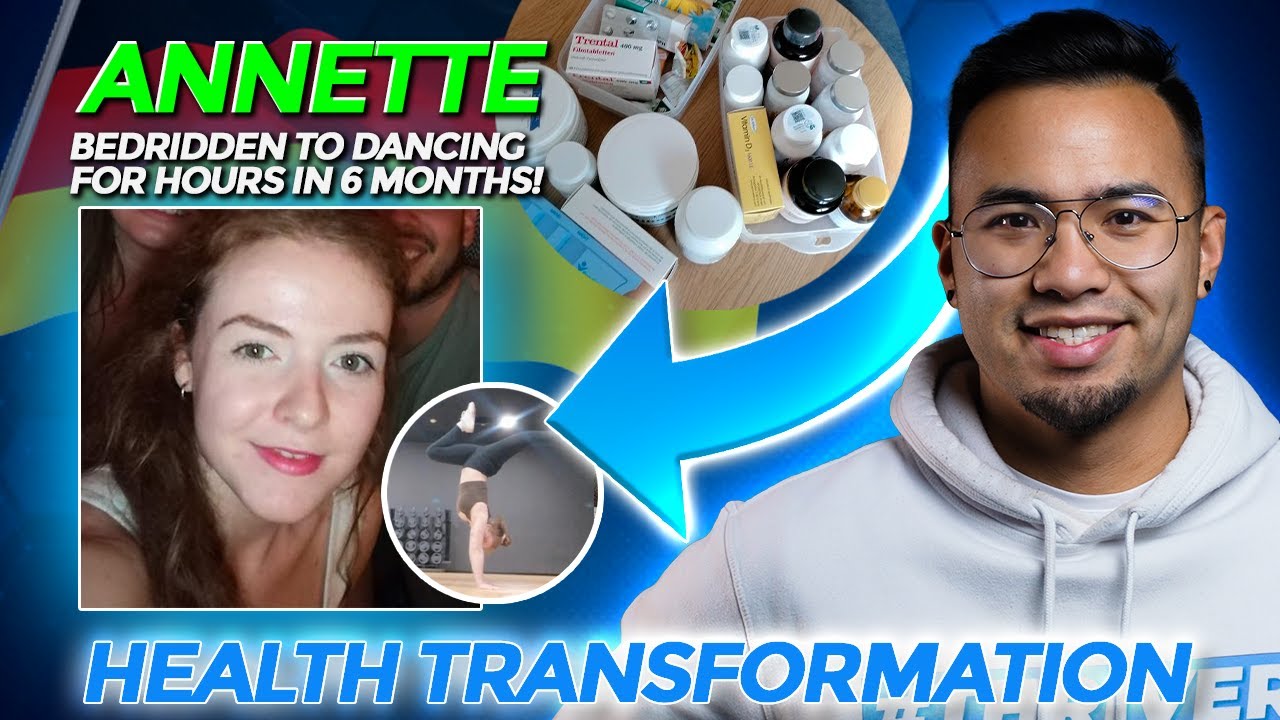
Watch Annette's full recovery interview
Key Takeaways From Annette's Recovery
| Condition: | Long COVID triggering CFS and a hypersensitive nervous system. Bedridden for about 3 months. |
| Treatments that failed: | Medication, supplements, Himalayan global diagnostics, and a rehab center that forced physical exercise and made her crash. |
| What worked: | CFS Recovery's recovery system, built on nervous system retraining, community support, and structured coaching. |
| Timeline: | Bedridden and unable to listen to music to dancing for 2.5 hours and walking 14,000 steps in 6 months. |
| Now: | Dancing at festivals, driving again, traveling to Vienna, doing handstands, and rebuilding her social life. |
What Caused Annette's Chronic Fatigue Syndrome?
Annette was 26 years old and working at a hospital in Austria when she caught COVID-19. Before getting sick, her life was intense. She'd just moved back from working abroad in Switzerland, started a new hospital job, picked up dancing, and was working out regularly. Looking back, it was a lot of change happening all at once.
The viral trigger pattern
COVID hit her hard from day one. She remembers calling her mom on the first day she tested positive, begging for sleep medication. She had severe tinnitus, couldn't sleep, and her throat was painfully sore. But what scared her most was her brain. From the very beginning, something felt wrong with how she was thinking.
She kept forgetting things. She couldn't make decisions. She'd forget to eat and drink. Her mom got so worried they called emergency services. This kind of post-viral cognitive dysfunction is a hallmark of Long COVID progressing into CFS. The nervous system gets stuck in a state of high alert, and normal brain function breaks down.
How Bad Did Annette's Long COVID Symptoms Get?
At her worst, Annette was completely bedridden for about three months. She couldn't listen to a podcast for 5 minutes. Music was too much. She couldn't cook. She couldn't go to the grocery store. She literally just laid in bed, staring at the ceiling, watching the time go by.
The brain fog was terrifying
The cognitive symptoms were especially frightening. She found medical prescriptions in her fridge without any memory of putting them there. In the shower, she couldn't remember if she'd already shampooed her hair. She had to write everything down just to get through basic daily tasks.
She was 26, and she genuinely believed she was developing dementia. The wired-but-tired state was her main symptom. She'd lie down but couldn't relax. On top of that, she had severe tinnitus, headaches, hand pain, and crushing insomnia. Her nervous system was stuck on high alert with no off switch.
What Treatments Did Annette Try Before CFS Recovery?
Annette tried medication, supplements, and a treatment called Himalayan global diagnostics. None of it worked. Her doctors didn't have any answers beyond sending her to rehab.
The rehab center that made everything worse
This is where Annette's story takes a painful turn. Her doctors sent her to a rehab center that focused on forced physical exercise. She was supposed to stay for three weeks. After just one week of exercises they made her do, she crashed so hard she ended up in the emergency room with severe cramping. It happened twice. They sent her home.
Before that rehab, she'd actually been making some progress on her own. She could cycle. She could walk outside for hours with no symptoms. The forced exercise at the rehab center took all of that away and left her bedridden. This is something we see too often. Well-meaning but uninformed treatment that pushes the nervous system past its capacity and triggers a major crash.
The moment that kept her going
Even at her lowest point, Annette held onto something important. She'd already proven to herself once that she could improve. Before the rehab crash, she'd gotten better. That memory became her anchor. She told herself: "I know what to do. I can get better again." That's the thriver mentality.
How Did Annette Find CFS Recovery?
Annette found Miguel's YouTube channel while searching for answers. What struck her was how clearly everything was explained. She didn't just understand the concepts. She felt understood. For the first time, someone seemed to know exactly what she was going through without her needing to explain it.
Why she joined the program
Annette wasn't just looking for information. She was looking for a community. She wanted people who understood, people she could work through this with, so she wouldn't have to do it alone anymore. That's what drew her to the Recovery Jumpstart program. She watched the YouTube videos and started improving just from those. Then she committed fully.
The first thing she did was message coach Adrienne and ask: "What should I do?" She fully trusted the process, followed the plan step by step, and stopped trying to figure everything out on her own.
How Quickly Did Annette's Recovery Progress?
Annette went from bedridden and unable to listen to music to dancing for hours and walking 14,000 steps in a single day within about 6 months. She started with baby steps: going to the dance venue for just 30 minutes and not dancing at all. She did that for a month. Then she danced her first dance. Then she started going for longer. Then came Vienna.
Before vs. after: Annette's recovery by the numbers
| Metric | Before Recovery | After 6 Months |
|---|---|---|
| Activity tolerance | Could not listen to a podcast for 5 min | Dancing for 2.5 hours straight |
| Daily steps | Bedridden, unable to walk | 14,000+ steps in one day |
| Driving | Could not drive | Driving 20 minutes with music and windows down |
| Social life | Isolated, nobody understood | New friends, trips to Vienna, dance festivals |
| Mental state | Feared dementia, constant brain fog | Clear thinking, trusts her body |
| Physical exercise | None possible | Dancing, handstands, working out |
The trip to Vienna
One of Annette's biggest wins was her day trip to Vienna. She'd studied and lived there for 5-6 years but hadn't been able to visit in about two years because of her illness. The night before, fear crept in. What if something happens? What if it's too long? What if she can't make it? Her brain fought hard to keep her in the safe zone.
She went anyway. She danced for two and a half hours. She walked 14,000 steps. She went to a techno open-air festival. She was out for about 8 hours total. All in one day. And she didn't crash afterwards. If anything, it unlocked a new level of health.
What Made the Biggest Difference?
When asked about the biggest change, Annette didn't talk about physical wins first. She talked about belief. The biggest progress was believing she could actually recover. That it was realistic. Not a joke. Not a dream. That this could actually happen.
The three things that stood out
Annette highlighted three things about the Recovery Jumpstart program that made the biggest impact:
1. The community. Being around people who truly understood what she was going through. Making friends who got it in a way most people never could.
2. The structure. The program starts with internal work first, then builds to physical activity. That sequence matters. Most people trying to recover on their own skip the mental side entirely and jump straight to physical exercise. That's what the rehab center did, and it made her worse.
3. The coaches. Being able to message a coach and get clear direction on exactly what to do next. Instead of spending all her time thinking about recovery, she could just follow the plan and actually focus on recovering.
Where Is Annette Now?
Annette's life looks completely different from six months ago. She dances at social events and festivals for hours. She drives her car with the windows down and music playing. She does handstands. She took a trip to Vienna and spent 8 hours exploring, dancing, and reconnecting with friends. She has new friendships with people who genuinely enjoy her company.
The girl who was lying on the floor unable to get up, who couldn't walk to the fourth floor of her building for three months, who thought she was getting dementia at 26, is now planning backflips and marathons. Her story is one of over 70+ documented recovery interviews from people across 20+ conditions who've been through CFS Recovery's recovery systems.