Bedridden for Months to Biking 10 Miles
"After months bedridden, I'm now biking 10 miles at a time. Recovery is real."
Individual results vary. This is one person's experience and is not a guarantee of specific outcomes.
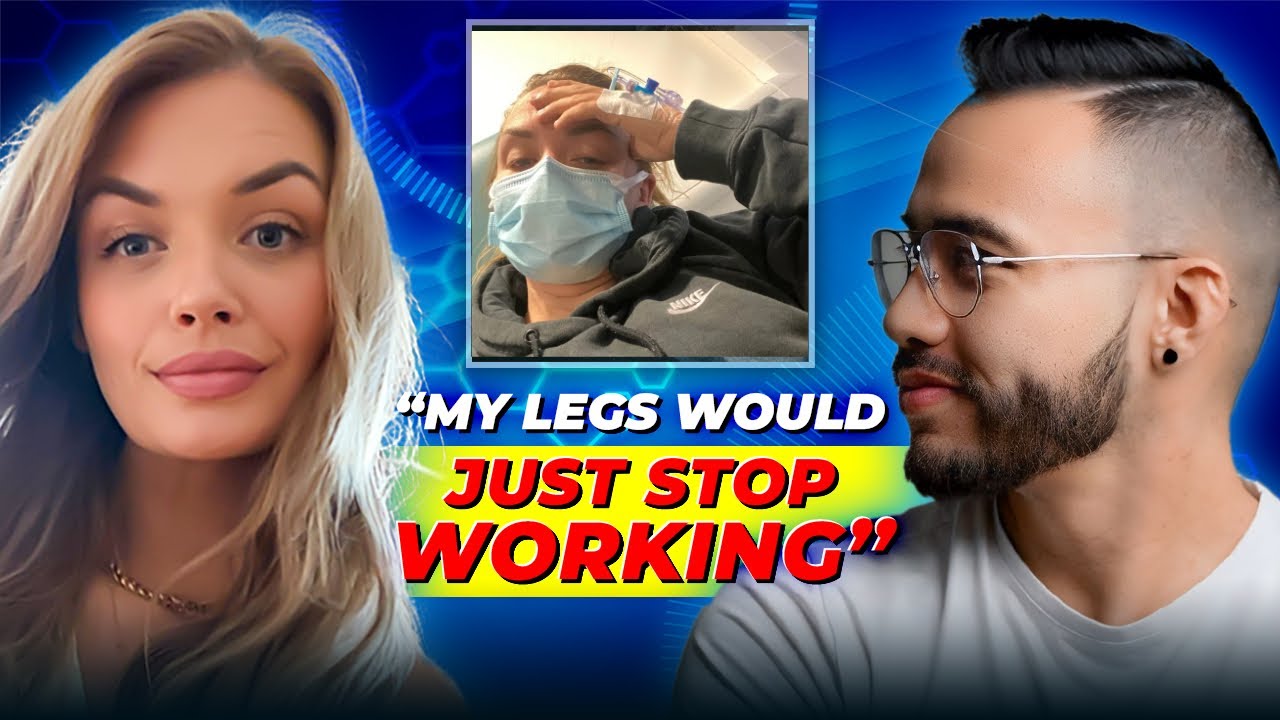
Watch Hannah's full recovery interview
Key Takeaways From Hannah's Recovery
| Condition: | ME/CFS. Bedbound for months, unable to function. |
| Severity: | Bedridden. Completely limited by fatigue and crashes. |
| What worked: | Nervous system retraining and neuroplasticity protocols through CFS Recovery. |
| Where she is now: | Biking 10 miles at a time. Fully active and living her life again. |
Hannah's Recovery: From Bedridden to Biking 10 Miles
Hannah's story is one that so many people with ME/CFS will recognize. Months spent bedridden. Unable to do the things that used to come easy. Watching life happen from the sidelines. And then, something shifted.
Through nervous system retraining, Hannah went from being confined to bed to biking 10 miles at a time. That's not a small change. That's a complete transformation in what her body could handle. Watch her full interview above to hear the journey in her own words.
What Does Being Bedbound With ME/CFS Look Like?
Being bedbound means your world shrinks to the size of your bedroom. Simple tasks like getting to the kitchen or taking a shower feel impossible. Your body crashes after the smallest effort. For Hannah, months of this was her reality.
This level of severity is more common than most people realize. ME/CFS can take someone from fully active to completely bedridden, sometimes within weeks. The nervous system gets stuck in a protective stress response, and without the right approach, it stays that way.
How Does Someone Go From Bedridden to Biking 10 Miles?
It doesn't happen overnight. Recovery from ME/CFS happens in progress cycles, not in a straight line. There are adjustment periods along the way. But the core process is the same: teaching the nervous system that it's safe to come out of its stuck stress response.
That's what nervous system retraining does. It uses neuroplasticity, your brain's ability to rewire itself, to shift your body out of fight-or-flight and back into balance. As that happens, your capacity rebuilds. Activities that used to trigger crashes become manageable again.
Hannah's progression from bedridden to biking 10 miles is a pattern we've seen across thousands of recovery stories. The starting point is different for everyone. The destination is the same: getting your life back.
Before vs. After: Hannah's recovery snapshot
| Area | Before | After |
|---|---|---|
| Mobility | Bedridden for months | Biking 10 miles at a time |
| Activity level | Confined to bed | Fully active |
| Exercise tolerance | Crashes from minimal effort | Sustained physical activity |
| Outlook | Wondering if recovery was possible | "Recovery is real." |
The Research Behind Nervous System Recovery
The approach Hannah used is rooted in neuroplasticity, the brain's ability to form new neural pathways. In ME/CFS, the nervous system can become locked in a heightened stress response. This drives the fatigue, the crashes, the brain fog, and the exercise intolerance.
Nervous system retraining works by gradually rewiring those stuck patterns. Your brain learns new responses. Your body follows. It's not about pushing through symptoms. It's about giving your nervous system the right signals to recalibrate.
Frequently Asked Questions About ME/CFS Recovery
Yes. Many people recover from ME/CFS even after months or years of being bedbound. Hannah was bedridden for months and recovered to biking 10 miles at a time. CFS Recovery has helped people from bedridden to semi-functional and everywhere in between. We've worked with people as young as 9 and as old as 86, and people who've been dealing with this for 3 months to 50 years.
Nervous system retraining uses neuroplasticity protocols to help your body shift out of a stuck stress response. In ME/CFS, the nervous system can become locked in a fight-or-flight state. This drives symptoms like fatigue, brain fog, and post-exertional crashes. Retraining teaches your nervous system that it's safe to come back into balance, which is what allows recovery to happen.
Recovery timelines vary from person to person. Some people see significant improvement within a few months, while others take longer. CFS Recovery has helped people who've been dealing with ME/CFS for 3 months to 50 years. The key factors include consistency with the protocols, willingness to shift your approach, and having the right support around you.
For most people with active ME/CFS, pushing through exercise can trigger crashes and post-exertional malaise. That's why a structured, nervous-system-first approach matters. Hannah didn't start by biking 10 miles. Recovery happens in stages. Your body gradually rebuilds its capacity as the nervous system reregulates. Activity is reintroduced at a pace your body can handle.
CFS Recovery is built by coaches who recovered themselves, including founder Miguel Bautista. The program uses nervous system retraining and neuroplasticity protocols, not supplements or medication. With over 3,000 documented client wins, 100+ hours of filmed recovery case studies, and people helped across 50+ countries, it's one of the most documented recovery programs in the world.
Your Recovery Story Could Be Next
Hannah went from months bedridden to biking 10 miles. Every person on our Recovery Stories page once felt exactly like you do now. Exhausted. Skeptical. Wondering if recovery was even possible.