From Bedbound to Skiing and Raising Three Kids
"I'm good. I'm living life. I'm not holding back."
Individual results vary. This is one person's experience and is not a guarantee of specific outcomes.
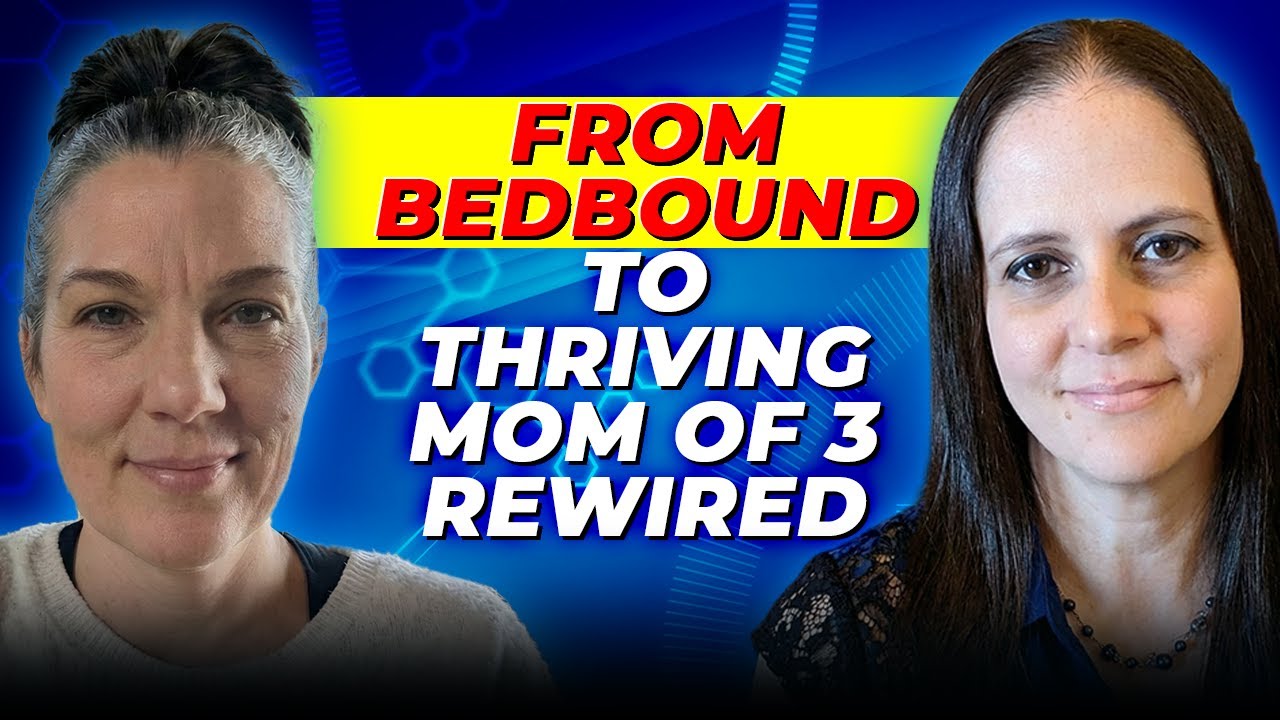
Watch Kim's full recovery interview
Key Takeaways From Kim's Recovery
| Condition: | ME/CFS. Nine years of intense symptoms. |
| Severity: | Bedbound. In bed 16 hours a day at her worst, unable to work, with her husband as her caretaker. |
| What worked: | CFS Recovery's recovery system, built on nervous system retraining based on neuroplasticity protocols. |
| Now: | Caring for her three kids, exercising daily, and back to skiing and rock climbing. |
Kim's Story: Living with ME/CFS
Before all of this, I was one of the most active people you could meet. I hiked the Pacific Crest Trail from Mexico to Canada in 2015. I'd climbed Colorado's 14,000 foot peaks two and three times each. I worked at a ski resort, hiked a thousand vertical feet to work every morning, and skied home after my shift.
I got married in April 2016, and our honeymoon was hiking the Continental Divide. That's when my body started breaking down. My daily miles dropped from 25 to 10, then lower. Panic attacks started. My inner dialogue was, why can't I walk? By the time we got to Colorado, my husband said we were done.
Back home it kept getting worse. I couldn't get up two flights of stairs without holding the railing. It was panic attack after panic attack, and I couldn't get out of bed. Doctors pointed to depression, but I loved my job and I loved my life. So I looked for other answers. Nutrition, supplements, juice cleanses, diets that got more and more restrictive. Each one helped a little, then didn't. That road never ends.
In late 2017 I got pregnant, and I felt so much fear. I was in bed 16 hours a day and my husband was my caretaker. He'd bring the baby to me in the mornings and bring me breakfast, because I couldn't manage the stairs. I lived the first two and a half years of my son's life in our bedroom. I had constant head pressure, migraines that ran 3 to 5 days with nausea and vomiting, and brain fog so heavy I had to read books two and three times. I couldn't handle screens at all. My husband answered 90 percent of my text messages.
A breathing technique in 2021 woke me up and got me more active again. But the migraines stayed, I still couldn't get up in the mornings, and I had no concept of an adjustment period. So I met every migraine with frustration, then fear. Then I found brain rewiring, and later Miguel's videos on adjustment periods and progress cycles. They were a game changer. For the first time I understood why a Sunday of skiing was followed by a three day migraine, and how to respond to it.
I joined CFS Recovery during my third pregnancy because I needed support. With two kids I couldn't make the live calls, so I watched the replays and worked through the modules after bedtime and during naps. I treated everything that pregnancy threw at me as an adjustment period and kept responding well.
Then the all of a sudden moments started. A few weeks ago I woke up at 7:30 and told my husband, just go to work. His jaw dropped. It hadn't happened in 7 years. I took care of all three kids by myself that whole day, and again for days after. Around the same time I realized I could strength train. Now I'm doing those exercises daily, building the strength and mobility for skiing, mountain biking, and hiking again.
The Science Behind ME/CFS Recovery
In ME/CFS, the nervous system gets stuck in a chronic stress response. Research suggests the issue may be functional rather than structural. Your nervous system may be stuck in protection mode, and even normal activities can feel overwhelming. This is what keeps symptoms like fatigue, brain fog, and migraines cycling.
Nervous system retraining uses neuroplasticity, your brain's ability to rewire itself, to help shift out of that stuck state. Instead of managing symptoms, it may address the underlying pattern. That's when real, lasting recovery starts.
Before vs. After: Kim's Recovery
| Area | Before Recovery | After Recovery |
|---|---|---|
| Daily Life | In bed 16 hours a day, husband as caretaker | Cares for her three kids by herself |
| Energy | Mornings were the hardest part of her day | Up at 7:30, making the kids breakfast |
| Activity Level | Couldn't get up two flights of stairs | Skiing, rock climbing, daily strength work |
| Outlook | Fearful, frustrated | Living life, not holding back |
Where Is Kim Now?
Kim has made remarkable progress through CFS Recovery's recovery system, built on nervous system retraining. She cares for her three kids with confidence, exercises daily, and is back to skiing and rock climbing. Her story is one of over 100+ hours of filmed recovery case studies from real people sharing their real experiences. Not scripted. Not staged. Real people, on camera, in their own words.
We've helped people as young as 9 and as old as 86. People who've been dealing with this for 3 months to 50 years. People from bedridden to semi-functional and everywhere in between. Over 3,000 documented client wins across our community.
Kim's Recovery Wins
Frequently Asked Questions
Can you recover from ME/CFS?
Yes. Kim is one of thousands of documented recovery wins across CFS Recovery's community. Through nervous system retraining and neuroplasticity protocols, people with ME/CFS have reported meaningful progress. CFS Recovery has helped people from bedridden to semi-functional and everywhere in between.
What is nervous system retraining?
Nervous system retraining uses neuroplasticity principles to help your brain and nervous system shift out of a stuck stress response. In ME/CFS, the nervous system often gets locked in a protective mode after a viral trigger or prolonged stress. Retraining helps it recalibrate so your body can function normally again. It's coaching-based, not medication-based.
How severe was Kim's condition before recovery?
Kim was dealing with ME/CFS at a severe level. At her worst she was in bed 16 hours a day, unable to work, with her husband as her caretaker. She experienced intense migraines, panic attacks, heavy brain fog, and couldn't handle screens. Read the full story above.
Where is Kim now after CFS Recovery?
Kim's recovery wins include caring for all three of her kids by herself, daily strength exercises, and getting back to skiing and rock climbing. Her story is one of over 3,000 documented client wins across CFS Recovery's community.
Your Recovery Story Could Be Next
Every person on our Recovery Stories page once felt exactly like you do now. Exhausted. Skeptical. Wondering if recovery was even possible. Kim's story shows what's possible.