From Struggling with Stairs to Intense Workouts
"I may be sore and tired, but I put that workout rack together and pushed through. It's about small victories and moving forward, no matter what."
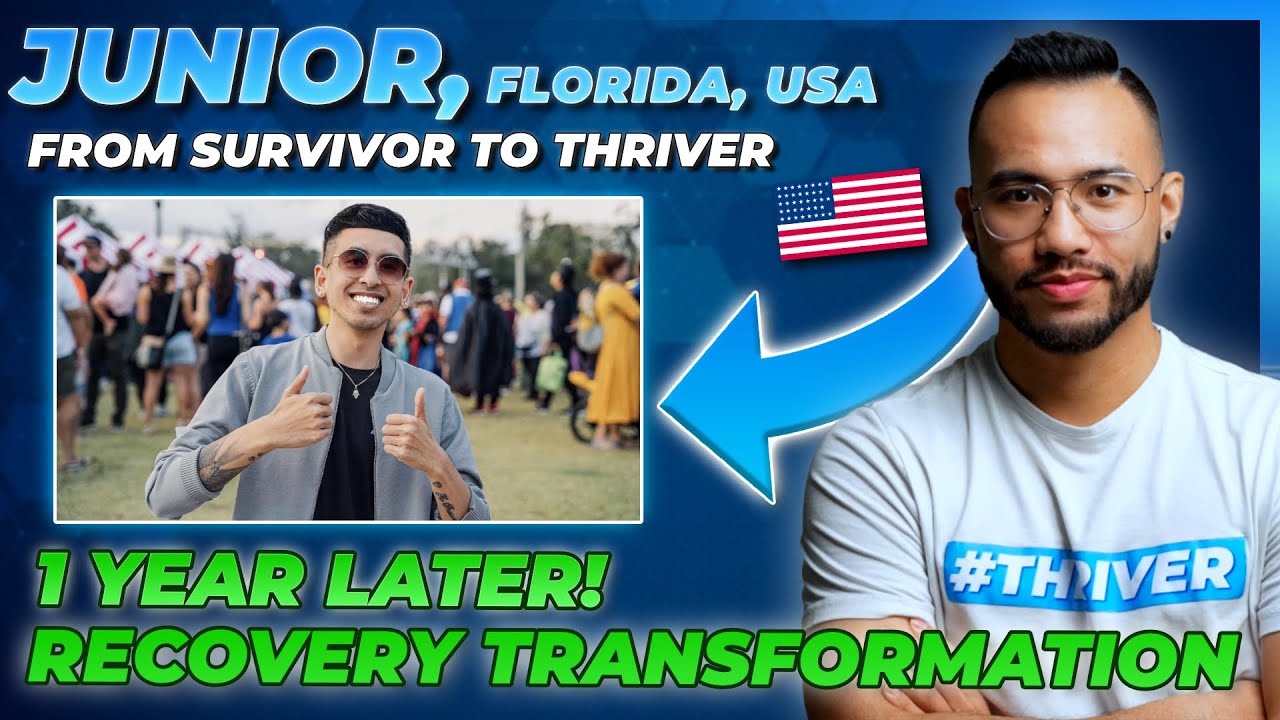
Watch Matt's one-year progress update
Key Takeaways From Matt's Recovery
| Condition: | ME/CFS with moderate severity. Struggled with basic tasks like climbing stairs. |
| Turning point: | Experienced a "mind shift" where recovery principles clicked and symptoms reduced in real time. |
| What worked: | Nervous system retraining and neuroplasticity protocols through CFS Recovery's program. |
| Timeline: | Significant progress over one year, building up to intense workouts from near-zero activity. |
| Now: | Building workout racks, doing intense exercise sessions, and pushing through with small victories every day. |
What Was Matt Dealing With Before Recovery?
Matt, 36, was living with moderate ME/CFS that turned everyday activities into massive challenges. Something as simple as climbing a flight of stairs left him exhausted. His nervous system was stuck in a constant state of alarm, and his body couldn't handle what used to be normal.
He dealt with relentless fatigue, body aches and pains, heart palpitations, headaches, and anxiety. Every time he tried to push through, his symptoms would flare up. The more he fought it, the worse it got. He was stuck in what felt like an endless cycle of crashing and barely recovering.
The frustration of getting worse
Like many people with ME/CFS, Matt spent a long time getting worse before he found what worked. He tried different approaches, but nothing gave him lasting results. The fatigue was constant. The body pain was constant. And the frustration of watching his life shrink was the hardest part.
What Is the "Magic Moment" in CFS Recovery?
Matt's recovery featured what Miguel calls a "mind shift". It's a moment where the recovery principles click and something changes in real time. You shift from complete survival mode to feeling at least a little bit normal, even just for a brief window.
These mind shifts don't always come right away. Miguel himself spent 4.5 years getting worse before he learned the science behind recovery. It wasn't until he understood the actual mechanisms of nervous system recalibration that the mind shifts started happening.
When something finally clicks
The way Matt described it, one day you're going about your routine and you suddenly realize you don't have the symptoms you've always had. You forgot about them. Only when you stop and think about it do you notice: "I haven't had palpitations for the last few days. I just realized it now."
These moments of clarity feel like a breath of fresh air after being deprived of normal life for months or years. They're real, and they build on each other. Each one rewires your nervous system a little more.
How Did Matt Learn to Retrain His Nervous System?
Matt learned that flare-ups are actually the moment where progress happens. This was a massive shift. Before, he associated flare-ups with going backwards. Every symptom spike felt like confirmation that he was getting worse.
Through CFS Recovery's program, he learned that when symptoms flare up after an activity, that's the exact moment to rewire the nervous system. It's the training ground. Like learning any new skill, it takes practice and it takes putting yourself in uncomfortable situations where you're forced to apply what you've learned.
Rewriting the code
Miguel uses an analogy from The Matrix to explain this concept. In the movie, Neo doesn't realize he has a superpower the entire time. He thinks he's a normal person. He doesn't believe he's in control. Then in the final moment, something clicks. He holds out his hand and stops bullets in midair.
For people with CFS, that superpower is learning how to control your emotional response to symptoms. Your body may still feel the symptoms physically, but mentally you stay calm and collected. You create a separation where the symptoms can't hijack your mind. That's when the nervous system starts to recalibrate.
Matt didn't just wake up one day with this ability. He had to work at it. He had to practice responding differently to his symptoms, over and over. But eventually, the moments of control got longer, and the flare-ups got shorter.
What Does Matt's Recovery Look Like Now?
After one year of consistent work, Matt went from struggling to climb stairs to building a workout rack and doing intense exercise sessions. He's sore and tired after workouts, but it's the normal kind of tired. The kind that comes from actually using your body, not from your nervous system being stuck in overdrive.
He focuses on small victories. Every single one matters. Putting together that workout rack when his body was telling him to stop. Pushing through when the old pattern would have been to retreat. Each small win rewires the brain a little more.
Before vs. after: Matt's recovery by the numbers
| Metric | Before Program | After One Year |
|---|---|---|
| Stairs | Struggled with a single flight | No limitations |
| Exercise | None possible | Intense workouts |
| Flare-up response | Fear, retreat, crash cycle | Calm, collected, retraining |
| Daily symptoms | Constant fatigue, pain, palpitations | Symptom-free days becoming normal |
| Mindset | Survival mode, fear-driven | Small victories, forward momentum |
| Physical capacity | Basic tasks were exhausting | Building workout equipment, intense sessions |
Matt's story shows that recovery doesn't have to be dramatic or instant. It's built on consistent small wins, practiced over time. Each mind shift compounds. Each flare-up handled correctly rewires the nervous system a little more. And eventually, you look back and realize how far you've come.
His story is one of over 70+ documented recovery interviews from people across 20+ conditions who've gone through CFS Recovery's programs. Matt's journey proves that even moderate ME/CFS can be overcome through nervous system retraining and consistent practice.