I Didn't Think It Was Possible to Recover
"I didn't think it was possible to recover. Now I know it is."
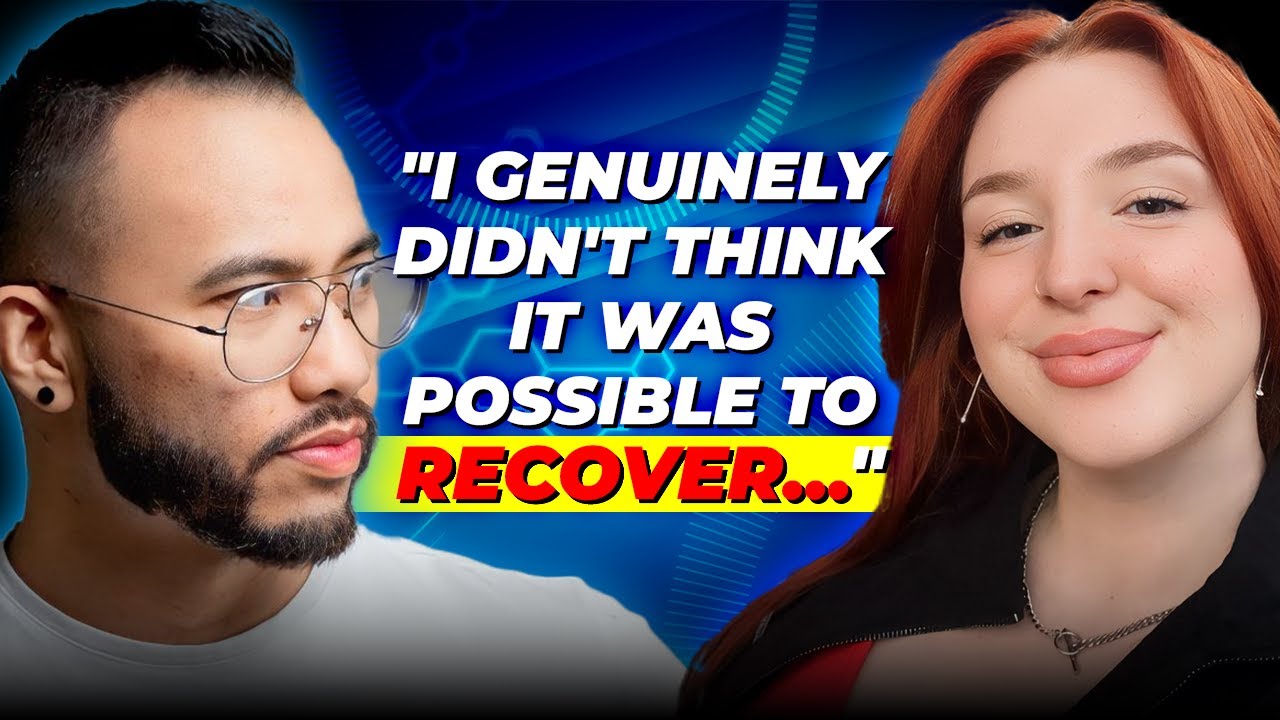
Watch Stella's full recovery interview
Key Takeaways From Stella's Recovery
| Condition: | ME/CFS at a moderate severity level. |
| Belief before: | Stella didn't think recovery was possible. Many people with ME/CFS feel the same way. |
| What worked: | CFS Recovery's nervous system retraining system based on neuroplasticity protocols. |
| Outcome: | Stella now knows recovery is possible. Her story is proof that even deep skepticism can be overcome. |
| Watch her interview: | Stella shares her full experience in the video above, in her own words. |
Why Stella Didn't Believe Recovery Was Possible
When you've been living with ME/CFS, it's easy to lose hope. You've tried things that didn't work. You've heard well-meaning advice that went nowhere. Eventually, you stop believing that feeling better is even on the table. That's exactly where Stella was.
Moderate ME/CFS means you're functional enough to notice everything you've lost. You can push through some days, but every push comes with a cost. The crash cycle becomes your normal. And after enough cycles, believing in recovery starts to feel like setting yourself up for another disappointment.
What Is Moderate ME/CFS Like?
Moderate ME/CFS often looks invisible from the outside. You might be able to do some things on a good day, but the energy cost is enormous. Brain fog makes simple tasks feel like wading through mud. Crashes can come from something as small as a busy morning or a conversation that runs too long.
At this severity level, you're caught between two worlds. You're not "sick enough" for some people to understand, but you're not well enough to live the life you want. That gap is exhausting on its own.
The stuck pattern
What's happening underneath is a nervous system stuck in a stress response. Your body keeps sending alarm signals even when there's no active threat. This keeps your energy systems suppressed, your sleep disrupted, and your body in a constant state of low-grade fight-or-flight. The issue may not be structural. Your nervous system may simply be stuck.
How Nervous System Retraining Helps ME/CFS Recovery
Nervous system retraining works with neuroplasticity, your brain's ability to form new pathways. When your nervous system is stuck in a stress loop, retraining teaches it how to regulate again. Over time, your body stops defaulting to alarm mode and starts recovering its baseline.
This isn't about positive thinking or pushing through. It's a structured, coaching-led approach that works with your body instead of against it. CFS Recovery's program was built by coaches who've recovered themselves, so they understand what you're going through on a level that goes beyond textbook knowledge.
Why Stella's shift matters
Stella's recovery is significant because she started from a place of complete disbelief. She didn't think recovery was possible. That's one of the hardest starting points, because belief shapes how you engage with any program. The fact that she moved from "this can't work" to "I know it can" tells you something about what she experienced inside the program.
Watch her full interview above to hear the details of her recovery in her own words.
Before vs. After: Stella's shift
| Area | Before | After |
|---|---|---|
| Belief in recovery | Didn't think it was possible | Knows recovery is real |
| Condition | Living with moderate ME/CFS | Recovered |
| Outlook | Hopeless, stuck | Confident, empowered |
| Approach | Nothing was working | Nervous system retraining |
Stella's Story in Context
Stella's experience is one of over 70+ documented recovery interviews from people who've gone through CFS Recovery's programs. We've got over 3,000 documented client wins across every severity level, every age group, and every duration of illness.
We've worked with people as young as 9 and as old as 86. People who've been dealing with this for 3 months and people who've been dealing with it for 50 years. People who were bedridden and people who were pushing through every day. Stella's story fits into a much bigger pattern: recovery is possible, even when you don't believe it yet.
What Can You Learn From Stella's Recovery?
If you're watching Stella's interview and thinking "that sounds like me," you're in good company. Most people who find CFS Recovery have already tried other things. Many of them had given up hope. That skepticism doesn't disqualify you. If anything, it's the most common starting point.
You don't need to believe recovery is possible before you start. You just need to be open to trying something different. Stella is proof that even the deepest doubt can shift when you give your nervous system the right tools.
Your Recovery Story Could Be Next
Stella didn't think recovery was possible. Every person on our Recovery Stories page once felt exactly like you do now. Exhausted. Skeptical. Wondering if things could ever change. They can.