Recovering After 20 Years of Chronic Fatigue Syndrome
"I start off by waking up and I feel refreshed, and this is really new for me."
Individual results vary. This is one person's experience and is not a guarantee of specific outcomes.
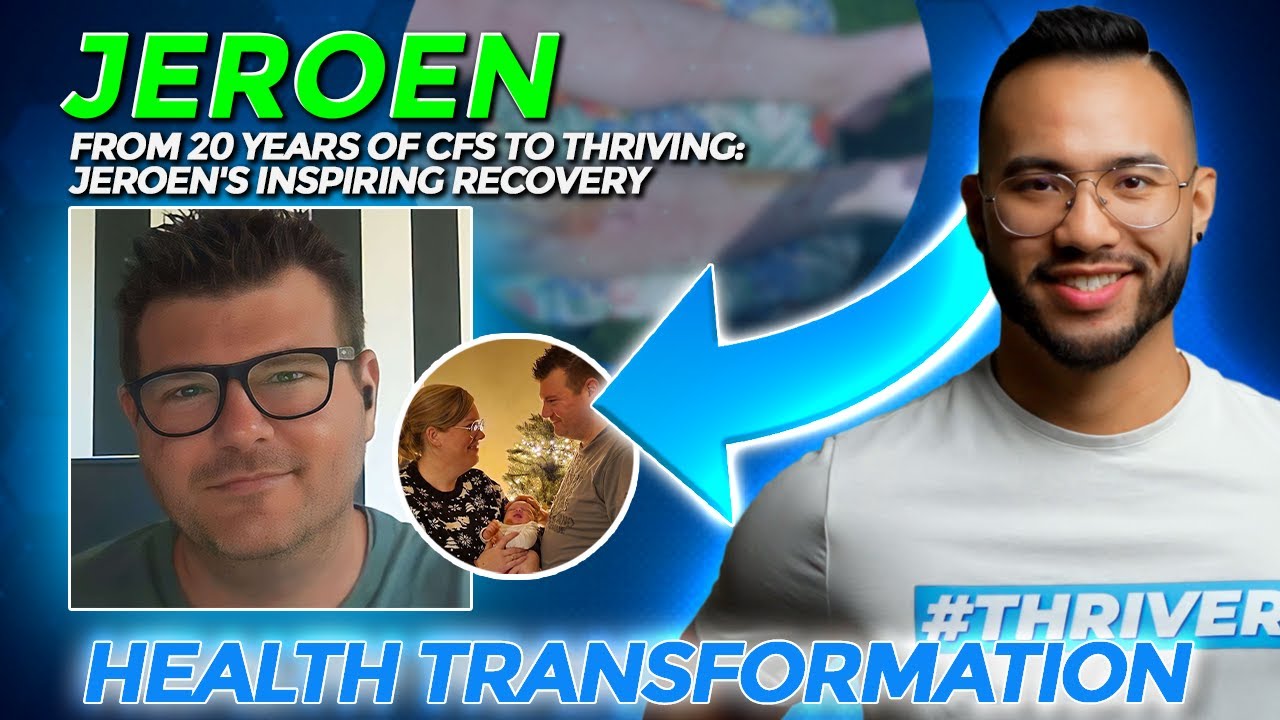
Watch Jeroen's full recovery interview with Miguel Bautista
Key Takeaways From Jeroen's Recovery
| Condition: | ME/CFS for 20 years, starting at age 19 after a flu he never fully recovered from. |
| Worst symptoms: | Total immobility, severe brain fog, heart racing, chest pains, difficulty breathing, chemical sensitivity, driving anxiety. |
| What worked: | CFS Recovery's recovery system, built on nervous system retraining, coaching with personalized guidance, and community support. |
| Breakthroughs: | Waking up refreshed, driving daily, working with screens again, more windows of clarity, and caring for his infant daughter. |
| Advice: | "Never give up hope. Hope is really key in this. Don't look for a silver bullet cure." |
What Caused Jeroen's Chronic Fatigue Syndrome?
Jeroen's CFS started at age 19 during his first year of university. He caught a flu, and while a normal flu would put him down for three days, this time it took two to three weeks just to feel a little bit recovered. He never fully bounced back. That was the beginning of 20 years of chronic illness.
The buildup nobody noticed
Looking back, Jeroen can now see the warning signs that built up before the onset. He'd come out of a toxic relationship, started a new study, launched a company with a friend, and was partying every weekend. As he put it: he was "burning the candle on both ends." His body had given him multiple signals before the crash, but he didn't listen.
This pattern of accumulated stressors triggering a chronic stress response is something we see repeatedly. The nervous system gets overwhelmed and shifts into a stuck state. Without the right approach, it stays stuck.
The Motorcycle Accident That Changed Everything
At age 23, four years into his CFS, Jeroen had a severe motorcycle accident. He was rushed to hospital for nearly 9 hours of surgery. He had six broken ribs, a ruptured spleen, a ruptured intestine, a heavy concussion, and a shredded leg. Doctors put him in an artificial coma for almost five weeks.
When he woke up, the worst news was waiting. His former life partner had passed in the accident. He received this news from his parents. It took three years and nearly 12 surgeries to repair his leg. One surgeon even suggested amputation. Jeroen refused, sought a second opinion in Germany, and a different surgeon fixed his leg with a single procedure.
What makes Jeroen's perspective so powerful is this: despite the accident, the surgeries, the loss of his partner, he says CFS was actually harder to deal with. The physical injuries were temporary. The fatigue was relentless and invisible, dragging on year after year with no clear end.
What Were Jeroen's CFS Symptoms?
Over 20 years, Jeroen experienced nearly every symptom in the book. Every time he thought he couldn't go lower, something new appeared. His primary symptom was severe brain fog, described as feeling drunk all the time. But it went far beyond that.
The full picture
He had periods of total immobility. Extreme feelings of overwhelm. Muscle spasms and vibrations throughout his body. An internal buzzing and nervous feeling that nobody else could see from the outside. His heart would race just from standing up. He felt like he was on a ship, swaying even while standing still. He had chest pains so severe he couldn't get air in. Food smelled and tasted chemical. Lying in a room, the whole room would spin. He lost all sensitivity. Every sound freaked him out. And driving became impossible because of intense anxiety behind the wheel.
The Push-Crash Cycle That Kept Him Stuck
Jeroen now understands that he was trapped in a push-crash cycle for years. Every time he pushed himself over his threshold, his baseline dropped lower and lower. He described it like an old Nokia phone: you charge it all night, the screen says battery full, but you make one phone call and it's gone.
This cycle was especially painful in his twenties. He wanted to live, party, and have a good time. Instead, he was stuck in bed watching everyone around him continue with their lives. He felt like he was standing still while everyone else moved forward.
The belief system trap
Jeroen also recognized how his belief system kept him stuck. He beat himself up constantly because he didn't feel heard or understood. Doctors told him to see a psychologist. He found that offensive because he knew he wasn't crazy. He now understands that the illness sits in the nervous system, not in his mind, and that the reticular activating system filters reality to confirm whatever you believe. If you believe you can't recover, your brain looks for evidence to prove it.
How Jeroen Found CFS Recovery
After 20 years of searching, Jeroen had tried many approaches. He credits Dan Neuffer and the CFS Health program as his starting point in the mind-body approach. That gave him his first taste of what was possible. But it was CFS Recovery's recovery system that brought the real breakthroughs.
When Jeroen started the program, he had a specific and personal motivation. His wife's parental leave was ending, and he'd soon be the primary caretaker of their five-month-old daughter. The anxiety around that responsibility was enormous. Being in the program helped reduce that stress, and when the time came, he stepped into the role of father with confidence.
Early breakthroughs with coaching
Jeroen's coach, Adrianne, asked him a simple question during his first 30-day challenge: "What would you like to achieve?" His answer was clear. He wanted to wake up feeling energized and looking forward to the day, instead of dragging himself through it and being glad when it was time to go to bed.
That goal became reality. For the first time in years, Jeroen started waking up feeling refreshed. He called it a "big leap" in his recovery.
What Changed After Joining the Program?
The improvements were clear and measurable. Jeroen went from barely surviving each day to actively living again. Here are the specific wins he shared during his interview.
Before vs. after: Jeroen's recovery progress
| Area | Before Recovery | After Program |
|---|---|---|
| Morning energy | Dragging through the day | Waking up refreshed |
| Driving | Too anxious to drive | Driving daily |
| Screen tolerance | Couldn't use any screens | Working with screens again |
| Brain fog | Constant, like being drunk | Far more windows of clarity |
| Symptoms | Constant and severe | Far less frequent |
| Parenting | Anxious about being alone with daughter | Confident primary caregiver |
Why Coaching and Community Made the Difference
Jeroen was open about this: he believes you could do recovery on your own, but if you're stubborn like him, you really need someone who's been in your shoes. Not someone telling you what to do, but someone who understands and gently guides you.
Being surrounded by fellow sufferers in the community was also a turning point. As Jeroen explained, parents can give you a pat on the shoulder, but it's not the same. He needed people who'd actually been through it, people who could look him in the eye and say, "Life does suck right now. That's true. And we're going to work on it."
The power of gratitude journaling
One practical tool that helped Jeroen was writing down the positive things during each day. His brain had a natural tendency to focus on the one thing that went wrong out of ten, ignoring the nine things that went well. Gratitude journaling helped him retrain that negative bias and prime his brain for a different pattern.
Jeroen's Advice for Anyone Still in the Trenches
When Miguel asked Jeroen what he'd say to someone who's been struggling for years and wondering if they'll ever get better, his answer was instant and clear.
He also shared practical wisdom: make recovery playful. Don't fight with your symptoms or argue with your brain. When you fight, you lose. Your brain knows you better than you know yourself. Instead, understand that your brain is trying to protect you. It's a friend sending a message, not an enemy. The recovery process is about breaking away from old baselines and beliefs that no longer serve you.
Jeroen's story isn't finished. He's still writing it. But after 20 years of CFS, he's proof that it's never too late to turn things around. His story is one of over 70+ documented recovery interviews from people across 20+ conditions who've gone through CFS Recovery's recovery systems.