From Bedridden and Severe to Riding Horses
"From bedridden and severe to riding horses and thriving. Never thought this would be possible."
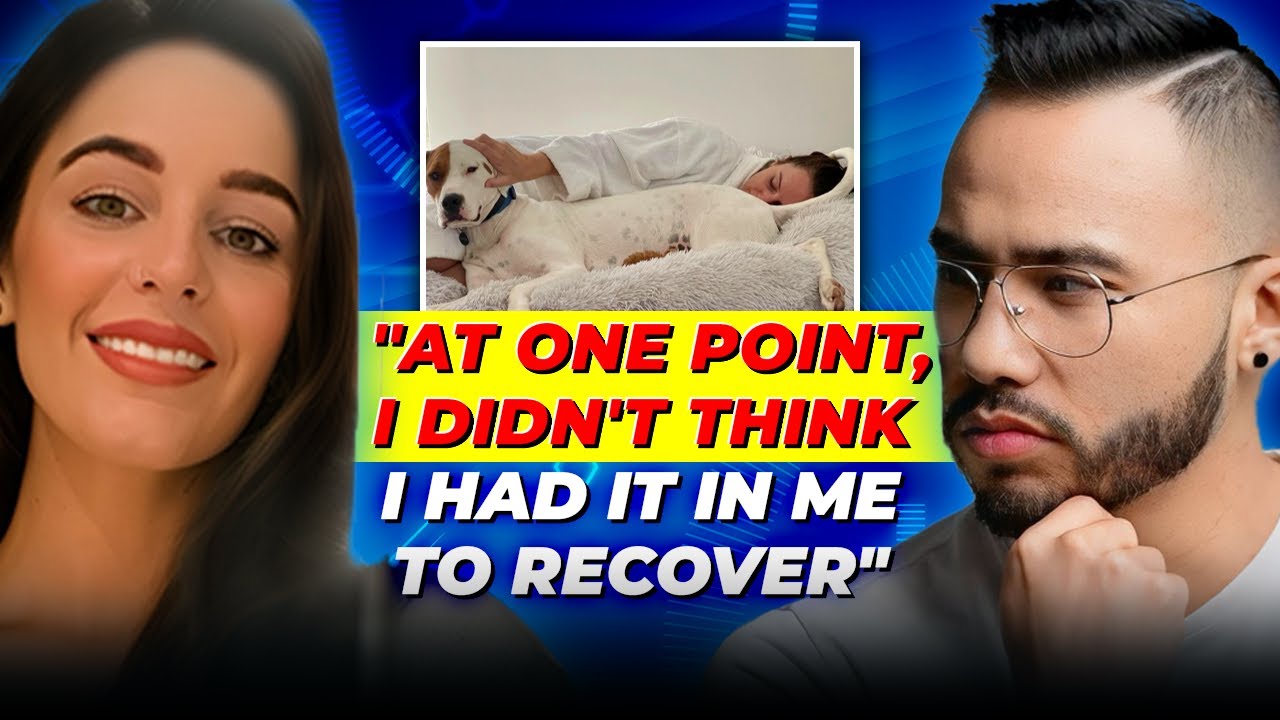
Watch Tess's full recovery interview
Key Takeaways From Tess's Recovery
| Condition: | ME/CFS. Bedbound and severe before starting the program. |
| Severity: | Bedridden, unable to function. One of the most severe cases we've worked with. |
| What worked: | CFS Recovery's nervous system retraining system based on neuroplasticity protocols. |
| Outcome: | Recovered to the point of riding horses and living an active, thriving life. |
| In her words: | "Never thought this would be possible." |
Tess's ME/CFS Recovery: From Bedridden to Thriving
Tess's story is one of the most powerful recovery journeys we've documented. She went from bedridden and severe ME/CFS to riding horses and thriving. Her own words say it all: she never thought this would be possible.
Watch the full interview above to hear Tess tell her story in her own words. What follows is a summary of the key themes from her recovery and the science behind why this approach works.
What Is Severe ME/CFS?
ME/CFS (myalgic encephalomyelitis/chronic fatigue syndrome) is a complex condition that affects the nervous system, immune system, and energy production. At the severe end, people like Tess become completely bedridden. Daily activities most people take for granted become impossible.
The nervous system gets stuck in a chronic stress response. It's like a smoke alarm that won't stop going off, even when there's no fire. The body stays in survival mode, draining energy and amplifying symptoms.
How Nervous System Retraining Helps
Traditional medical approaches for ME/CFS often focus on managing symptoms with medication. CFS Recovery takes a different approach. The program uses neuroplasticity-based protocols to help the brain and nervous system shift out of that stuck stress response.
Neuroplasticity is the brain's ability to form new neural pathways. Through consistent, guided practice, the nervous system can learn to regulate itself again. That's what happened for Tess. Her nervous system was stuck. Through retraining, it started to recalibrate.
Why coaching matters
Recovery doesn't happen in isolation. Having coaches who've recovered themselves, a community of people going through the same thing, and a structured system makes a huge difference. Tess's recovery happened within this framework: coaching, community, and consistent application of the protocols.
Before vs. After: Tess's Recovery
| Area | Before Program | After Recovery |
|---|---|---|
| Severity | Bedridden, severe | Thriving, active |
| Physical activity | Unable to function | Riding horses |
| Daily life | Confined to bed | Living fully |
| Outlook | "Never thought this would be possible" | Thriving and hopeful |
What Makes CFS Recovery Different?
Most recovery programs in this space are built on theory. CFS Recovery is built on over 3,000 documented client wins. We've got over 100 hours of filmed recovery case studies, including Tess's, with real people telling their real stories on camera.
We've worked with people as young as 9 and as old as 86. People who've been dealing with this for 3 months to 50 years. People from bedridden to semi-functional and everywhere in between. Tess's story is proof that recovery is possible, even from the most severe levels.
Watch Tess's Full Recovery Story
Tess tells her story better than we ever could. Watch the full interview above to hear how she went from bedridden and severe to riding horses and thriving. Her recovery is one of thousands of documented wins from CFS Recovery's programs.
If you're dealing with ME/CFS, long COVID, fibromyalgia, or any related condition, Tess's story shows what's possible. Your nervous system may be stuck rather than broken. And it can get unstuck.
Tess's Recovery Wins
Your Recovery Story Could Be Next
Tess was bedridden and severe. She never thought recovery was possible. Every person on our Recovery Stories page once felt exactly like you do now. Exhausted. Skeptical. Wondering if things could ever change.