Couchbound and Difficulty Walking to Running and Skiing
"I realized that CFS had been in control over my life for over a year. I was going to be in charge. And the expansion was... I was surprised myself, to be honest, that it came so fast."
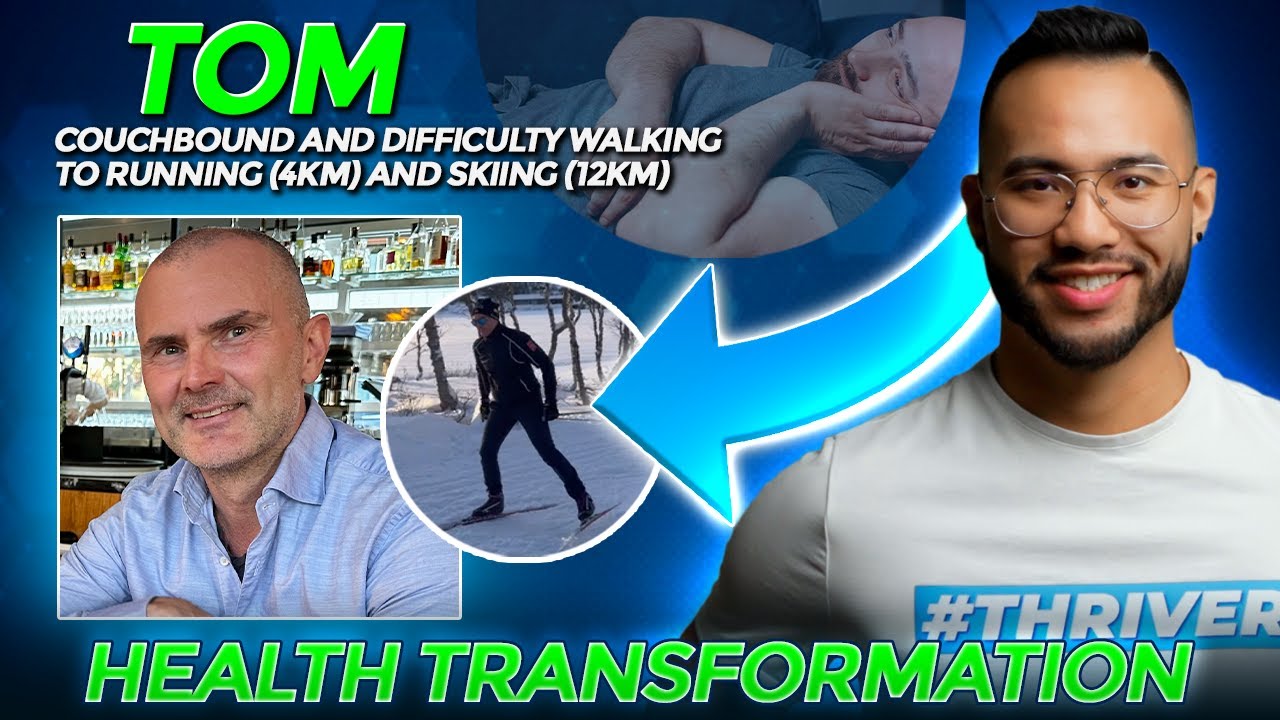
Watch Tom's full recovery interview
Key Takeaways From Tom's Recovery
| Condition: | CFS/Long COVID, triggered by COVID infection combined with major life stressors. Housebound for over a year. |
| Treatments that failed: | Blood tests, physical exams, psychologist, acupuncture. Over a year of rest-based approach kept him stuck. |
| What worked: | CFS Recovery's nervous system retraining program. Mindset shifts and gradual activity expansion despite flare-ups. |
| Timeline: | Housebound to running 4km in just 4 months. Started with 3-4 minute walks on shaky legs. |
| Now: | Running regularly, planning ski races, rebuilding active life, returning to work full-time. |
What Caused Tom's Chronic Fatigue Syndrome?
Tom's CFS was triggered by a perfect storm. He caught COVID in February 2022, which was mild by itself. Just two or three days like a moderate cold. But he didn't slow down. He continued at his normal pace, doing strenuous ski races just three weeks later. That's when things started to shift.
The stressor pile-up
Before COVID hit, Tom was already carrying a heavy load. His mother had become seriously ill. His wife was diagnosed with cancer. He was dealing with physical symptoms from the stress. Then COVID was the final push. He did another extreme ski race three weeks after the first, and that's when he noticed something was really wrong.
By May 2022, he was 100% sick. But the biggest crash came in July 2022, after his mother passed away. The emotional weight of the funeral, the travel, the organizing, the people. That's when Tom hit the wall hard and became housebound. His nervous system, already overwhelmed by viral infection and sustained stress, got stuck in a stress response it couldn't turn off.
How Bad Did Tom's CFS Symptoms Get?
Tom went from being a 51-year-old father of three with a full-time job and an active sports lifestyle to being housebound and couchbound. He could barely lift anything. A five or ten minute walk would trigger a flare-up that would send him back to the couch for days.
Symptoms that took over
- Severe fatigue
- Insomnia
- Nausea
- Flu-like feeling
- Sinus pain
- Heart palpitations
- Internal vibrations
- Body trembling
The scariest part was not knowing. Tom feared he had a serious neurological condition. He took every blood test imaginable. Every physical exam. Everything came back normal. His doctor, who was quite supportive, suggested it was nervous system related and sent him to a psychologist. That didn't help either.
The fear-avoidance trap
Every time Tom tried an activity, even a short walk, symptoms would flare up. Without understanding what was happening, he did what felt natural: he pulled back and rested. He spent over a year in this cycle. Try something, flare up, rest, try again, flare up, rest. He adapted his entire life around CFS instead of working to get out of it.
He tried acupuncture, which briefly moved him to 20-minute walks. But then he crashed again, and that crash was mentally devastating. He'd felt like he was making progress, and then it was gone. That's when he lost hope.
What Treatments Did Tom Try Before CFS Recovery?
Tom went through the full cycle most people go through before finding the right approach. Extensive blood work, every physical test available, a psychologist referral, and alternative treatments including acupuncture. None of them addressed the root cause.
Why rest alone didn't work
The biggest thing that kept Tom stuck was his rest-based strategy. For over a year, his approach was simple: avoid activity that causes symptoms. It sounds logical. But with a dysregulated nervous system, rest alone doesn't reset anything. The nervous system stays stuck. Tom was doing the most natural thing anyone would do without the right knowledge, and it was keeping him trapped.
This is something we see with many of our clients. They spend months or years resting and avoiding, watching their world shrink smaller and smaller. The missing piece isn't more rest. It's understanding how to respond to symptoms differently and gradually expand capacity.
How Did Tom Find CFS Recovery's Program?
It was the internal vibrations that led Tom to CFS Recovery. One night during the summer of 2023, the vibrations were particularly bad. He'd stopped Googling months ago, having given up on finding answers. But this symptom was so intense that he searched "CFS internal vibrations." Miguel's content came up at the top of the results.
Why this approach was different
Tom had read a lot about CFS, but he'd never seen the internal vibrations connected to it before. When he found Miguel's YouTube videos and the CFS Recovery blueprint, everything clicked. The way it was explained just made sense. He didn't hesitate. He joined the program and committed fully.
How Quickly Did Tom's Recovery Progress?
Tom went from housebound and couchbound to running 4 kilometers in 4 months. But it wasn't a straight line. The first two and a half months, he felt no physical progress at all. He even felt like he went backwards. The key was that two critical mindset shifts happened first.
Milestone 1: The belief shift
About two weeks into the program, something clicked. Learning the science behind what was happening to his body gave Tom a strong belief that he would recover. He describes this as the first major milestone. That belief influenced everything that came after. It changed how he thought about symptoms, how he responded to flare-ups, and how much he trusted the process.
Milestone 2: Taking control back
After two and a half months of feeling stuck, Tom had a coaching call with Adrianne. They agreed he needed to start moving at will. Even though he was still very fatigued. This was the second breakthrough: Tom realized CFS had been in control of his life for over a year. He'd been passive, letting symptoms dictate everything. He decided to take charge.
Before vs. after: Tom's recovery by the numbers
| Metric | Before Program | After 4 Months |
|---|---|---|
| Activity level | Housebound / Couchbound | Running 4km |
| Walking capacity | 5-10 minutes max | Unlimited |
| Exercise | None possible | Running, jogging, planning ski races |
| Symptom response | Fear and avoidance | Confident, knows how to handle flare-ups |
| Mindset | Lost hope, felt stuck | Strong belief, in control |
| Family participation | Family went on trips without him | Planning trips and activities together |
He started with just 3-4 minute walks on shaky legs. Within days, he felt things moving in the right direction. He expanded to 8 minutes, then 12, then 15, 20, 30. He started jogging in between walks. Then one morning, about six weeks into expansion, he woke up after a very active day with no flare-up and no symptoms. He decided to go for a run. He ran a full kilometer.
What Were The Most Important Parts of Tom's Recovery?
When asked what made the biggest difference, Tom pointed to two things: the knowledge about what CFS actually is and the support system. Understanding the science gave him belief. The coaches and community gave him confidence to keep going when things got hard.
The power of community
Before joining the program, Tom felt alone. He felt like he was the only person in the world with this condition. Being on calls with people going through the same thing changed everything. His group became so close they made custom shirts for each other and continued their group calls even after the official sessions ended.
The coaching follow-ups were also critical. Having coaches who understood his specific situation, who could steer him in the right direction when he wasn't sure, made the difference between staying stuck and breaking through. As Tom put it: the recovery plan is very personal because everyone's situation is different.
Where Is Tom Now?
Tom is running regularly, planning ski races, and rebuilding his active life. His family, who used to go on trips without him because he couldn't leave the house, is now making plans together. He's working toward returning to work 100%. He describes the recovery process as his greatest achievement, even though he's still progressing.
His message to anyone who's lost hope: "This is 100% possible to get well from. There are so many examples of people who've recovered. Do the right things, get the knowledge, respond well to symptoms, and have the belief." Tom's story is one of over 70+ documented recovery interviews from people across 20+ conditions who've gone through CFS Recovery's programs.
Tom's Recovery Wins
Your Recovery Story Could Be Next
Tom spent over a year housebound, watching his family go on trips without him. Every person on our Recovery Stories page once felt exactly like you do now. Exhausted. Stuck. Wondering if recovery was even possible.