Dozens of ER Visits and Couchridden to Living Life Again
"I was once at a six or seven out of ten in terms of worry and uncertainty, but now I feel like I've recovered mentally."
Individual results vary. This is one person's experience and is not a guarantee of specific outcomes.
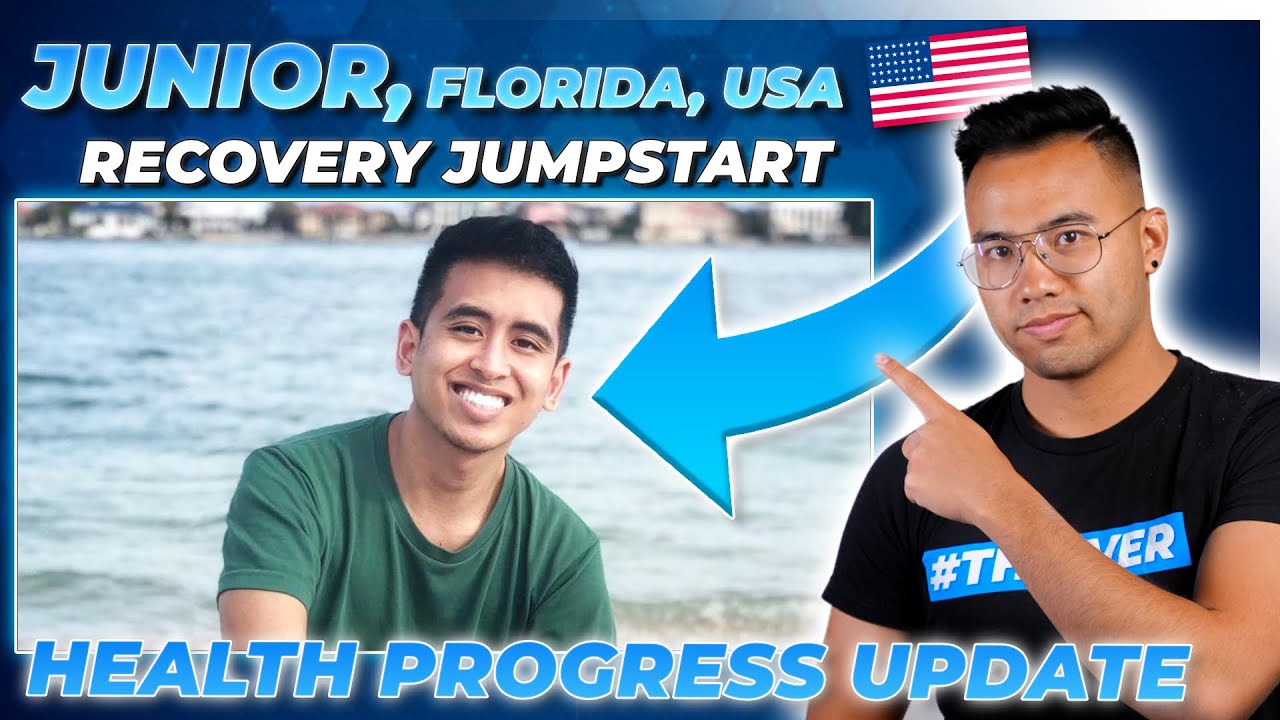
Watch Junior's full recovery interview with Miguel
Key Takeaways From Junior's Recovery
| Condition: | CFS with severe panic attacks, anxiety, vertigo, depression, and food intolerances. Housebound for 6 months after hydrocortisone reaction. |
| Treatments that failed: | 50+ doctors, supplements, special blood tests, MRIs, CT scans, endocrinologists, neurologists. Thousands spent with no answers. |
| What worked: | CFS Recovery's recovery system, built on nervous system retraining. Understanding the science "took the teeth out of the monster." |
| Timeline: | Significant mental and emotional improvement within 8 weeks. Fewer panic attacks, depression lifted, back to filmmaking. |
| Now: | Stopped spending on supplements, stopped searching for answers elsewhere, returned to his passion for filmmaking, making plans for the future. |
What Caused Junior's Chronic Fatigue Syndrome?
Junior's CFS didn't arrive with a single dramatic event. It built up over 10 years, starting with panic attacks around age 28. He didn't know what panic attacks were at the time. All he knew was that something was very wrong with his body, and nobody could tell him what it was.
The decade-long search for answers
Over the next ten years, Junior visited 50+ doctors and specialists, from endocrinologists to neurologists and everything in between. He had MRIs, CT scans, and more blood tests than he could count. Every doctor had a theory. Maybe it was a nutrient deficiency. Maybe he needed more chromium. Maybe it was this supplement or that vitamin.
None of it worked. Some of it gave him a short placebo boost: the relief of thinking "this doctor finally has the answer." That feeling would last a few days before reality set in again. Nothing changed.
How a Herniated Disk Triggered Junior's First Major Crash
In 2017, Junior got a herniated disk. On its own, that's manageable. But the MRI they put him in triggered extreme claustrophobia, and his panic levels went through the roof. That was his first major crash.
The impossible recovery cycle
The problem with a herniated disk is that recovery requires movement. Physiotherapy, walking, back exercises. But every session left Junior completely exhausted. His nervous system was already overloaded, and the physical demands of rehabilitation pushed it further into overdrive.
He eventually got to a place where the pain was manageable, but he never felt great. He was just getting by. Grateful he didn't feel as bad as the year before, but always stuck in a state of low-level symptoms with zero explanation for why.
The Hydrocortisone Reaction That Changed Everything
Things took a sharp turn when Junior had to take hydrocortisone for three days. Two weeks after the course ended, with the stress of a demanding job already wearing him down, his nervous system collapsed.
A flood of new symptoms
The hydrocortisone reaction introduced a wave of symptoms Junior had never experienced before. Vertigo. Extreme weakness. Deep depression. Constant anxiety. His panic attacks went from something he could somewhat manage to an all-day experience that never stopped. He couldn't tolerate almost any food. Everything he ate triggered anxiety or a panic attack.
He described the constant feeling of his body wanting to faint, shut down, or fall over. At 34 years old, he was lying in bed for six months straight. He checked himself into a private clinic where they ran every test imaginable. Everything came back "fine." They couldn't find anything to explain what was happening.
How Junior Discovered CFS Recovery
For ten years, Junior had been Googling every symptom and every illness he could think of. Nothing fit. Then, just one or two days before he joined the program, he stumbled onto the term "CFS" for the first time. That single discovery changed everything.
The moment it all clicked
Miguel's video showed up on YouTube within the first few search results. Junior doesn't speak English as his first language, but the way Miguel explained the nervous system science behind CFS was so simple and clear that it cut through immediately. He could grasp everything. And something clicked.
That simplicity was the first "switch" that flipped. Ten years of unanswered questions about hundreds of symptoms suddenly had one clear explanation. The mystery, the "X file" as Junior called it, was finally solved.
What Changed in Junior's First 8 Weeks
Junior joined Recovery Jumpstart and was only about 8 weeks into the program when he sat down for this interview. But even in that short time, the changes were real and significant.
The mental shift
The biggest change was mental. Understanding the science behind CFS, as Junior put it, "took the teeth out of the monster." He became far more fearless about his symptoms. Not all of them, and not overnight. But enough to feel a real difference after ten years in the dark.
Before vs. after: Junior's recovery progress
| Metric | Before Recovery | After 8 Weeks |
|---|---|---|
| Panic attacks | All-day, constant | Less frequent, less intense |
| Depression | Very depressed, no motivation | Lifted, finding happiness again |
| Fear of symptoms | Constant worry and panic | "Took the teeth out of the monster" |
| Purpose and passion | Unable to do filmmaking | Back to filmmaking on set |
| Supplement spending | Thousands per year | Stopped completely |
| Doctor visits for CFS | Constant, 50+ over 10 years | No longer needed |
He stopped spending money on supplements. He stopped searching for vitamin deficiencies. He stopped needing to see doctors about symptoms that now made sense as part of CFS. The answer was finally in front of him.
Returning to filmmaking
Filmmaking is Junior's passion. Before the program, being on set was an anxiety-filled experience. Symptoms would show up, he'd panic about them getting worse, and the stress would spiral. The joy was gone. It was just survival mode.
Now, when symptoms show up during a production day, he knows what they are. He expects them. He knows how to respond. And most of the time, the symptoms just dissolve on their own. The fear is what kept them locked in place, and the program gave him the tools to release that grip.
Why the Community Made the Difference
Junior was clear about this: the community and weekly calls were the most valuable part of the program. For someone who'd spent ten years feeling like an alien in his own body, being able to talk to people with the same symptoms was transformative.
The accountability reset
CFS comes with constant doubt. "Maybe it's this illness." "Maybe it's something completely different." "I can't get out of this." Junior described how after two or three rough days of doubting, the next group call would reset everything. The whole group motivates each other. Fresh start for the next few days. And over time, it gets harder for the old patterns to pull you back.
Junior's Investment Perspective
Junior was honest about being on the fence before joining. He'd found Miguel on YouTube just hours earlier. He was careful with money, especially after COVID restrictions hit his filmmaking career. There was a part of him that thought, "I found this guy on YouTube and he has a recovery program. It's too good to be true."
After the personal call with Miguel and watching more videos, he took the leap. Eight weeks later, his perspective was clear.
He'd spent a fortune over the years on special blood tests, exotic supplements, the "right" mattress, the "right" pillow. None of it addressed what was actually going on. Junior's story is one of thousands we've documented across our recovery community. His experience reflects a pattern we see constantly: people spending years and thousands of dollars trying to fix individual symptoms when the root cause is a stuck nervous system.
Junior's 1-Year Update: From ER Visits to Working Full-Time
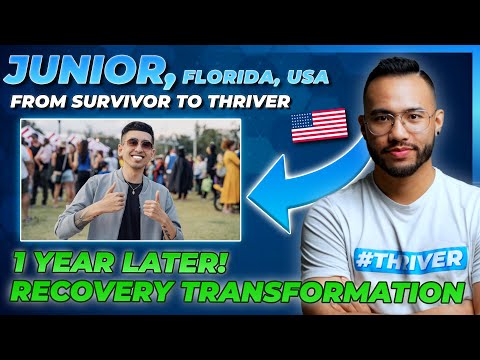
Watch Junior's recovery update interview
Junior's one-year follow-up shows exactly how much can change in 6 to 12 months. The guy who couldn't walk to his mailbox, who couldn't look at a screen for more than a few seconds, who had 15-20+ emergency room visits, is now working full-time on a computer and unwinding with video games into the night.
One of his biggest milestone moments? Eating pizza for the first time. He texted Miguel right away. That might sound small, but when you've been unable to eat without your body going haywire, that first slice of pizza is everything.
Junior's walking up and down the street with ease, enjoying food without worry, sleeping well, and spending full days on his computer for work. From ER visits to normal life. That's what recovery looks like.