Extreme CFS, MCAS, and Nervous System Issues to Vacations and Handstands
"I've been busy living life again! I've danced, socialized, and drove myself home for the first time in years. Recovery and a full life are possible."
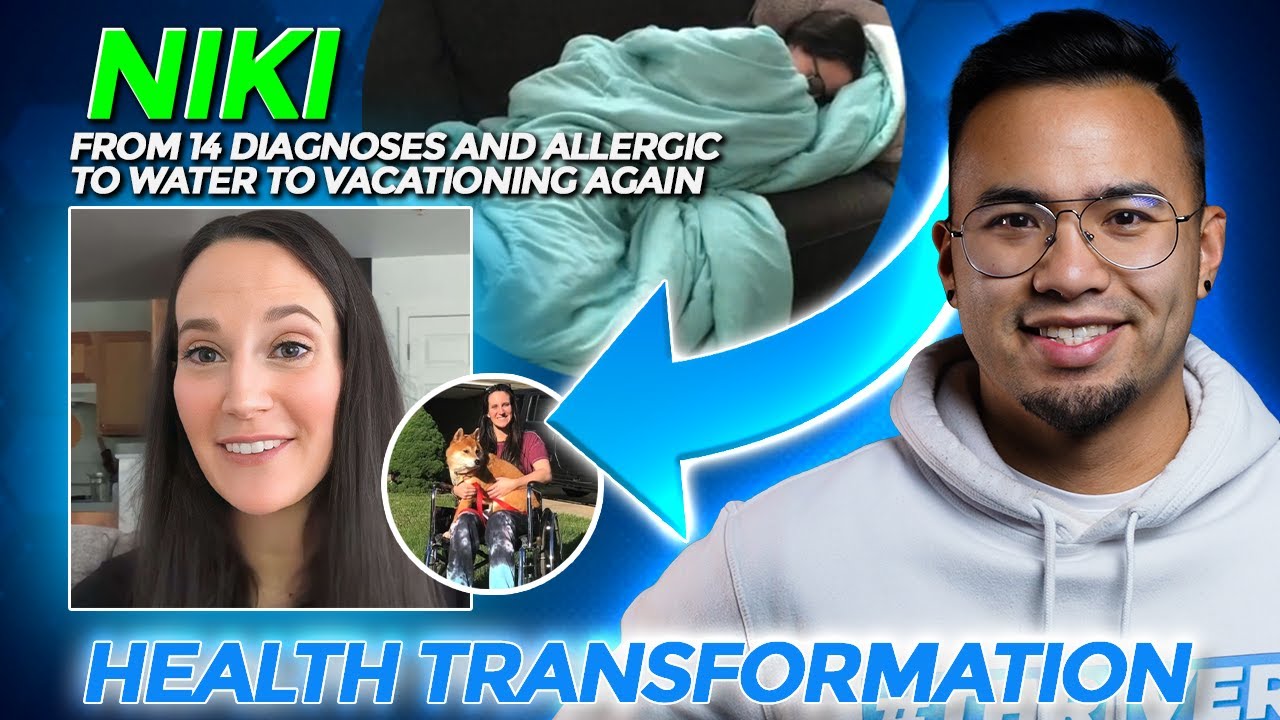
Watch Niki's full recovery interview
Key Takeaways From Niki's Recovery
| Condition: | Long COVID with 14 diagnoses including CFS, MCAS, POTS, and fibromyalgia. 85% bedbound for over a year. |
| Most severe symptom: | Lost ability to eat all food. Allergic reactions to water and salt. Lost 33 lbs from MCAS. |
| Treatments that failed: | Specialists, ER visits, neurocognitive therapy, low histamine diet, cardiologists, rheumatologists, pulmonologists. |
| What worked: | CFS Recovery's nervous system retraining program with coaching support and community. |
| Now: | Dancing, socializing, driving herself, going on vacations, doing handstands. Living a full life again. |
What Caused Niki's Long COVID and CFS?
Niki was the last person you'd expect to end up bedridden. Just one year before getting COVID, she was working three jobs to pay off her student loans. She'd just been offered a department head teaching position. On top of that, she was in the gym 4 to 5 days a week doing bodybuilder-style workouts, often spending 3 hours there after a full day of work.
She didn't have a single day off. Teaching during the week, department head duties, hiring, lesson plans on weekends, and intense gym sessions. Her nervous system was already under massive stress. She just didn't see it yet.
The COVID trigger
On March 13, 2020, Niki got sick. It was the last day of teaching before everything shut down. She felt an uncomfortable tingling in her chest that grew worse over the following days. Shortness of breath, coughing, fever, and loss of taste and smell followed. Her doctor refused to let her get tested for COVID because it was so early in the pandemic. When she finally got tested, it came back negative.
But she kept getting worse. The long COVID symptoms started trickling in: tachycardia, heat intolerance, intense brain fog, and dizziness so bad she had to guide herself through her house by holding onto walls. By July 2020, she had to stop working completely.
How Bad Did Niki's Symptoms Get?
Over three years, Niki was diagnosed with 14 different conditions from her initial COVID infection. The list included CFS, MCAS (mast cell activation syndrome), POTS, fibromyalgia, and more. She went through a laundry list of specialists: cardiologists, pulmonologists, rheumatologists. Each one either couldn't help, didn't believe her, or told her it was anxiety.
The ER visit that changed everything
In November 2020, Niki had one of her worst episodes. Her body flushed, went numb and tingly, and her heart rate spiked. She went to the hospital. They took one look at her heart rate and threw her on the table for EKGs. Her vision started going. Her hearing started going.
After 2 hours at 150+ bpm and another 2 hours at 130+ bpm, her heart rate finally came down. The next morning, the doctor told her it was anxiety. She pushed for testing. They found a mitral valve prolapse but said it was common for women her age and wouldn't cause her symptoms. She left with no answers. Again.
Rock bottom: losing the ability to eat
April 2021 was when Niki hit her absolute lowest point. During a neurocognitive therapy session at home, she pushed through warning signs and her heart rate spiked to 170 bpm. She called 911. That episode flipped something in her nervous system. The MCAS, POTS, and CFS symptoms exploded.
One by one, she started losing foods. Every meal triggered allergic reactions: flushing, rashes, tachycardia, throat closing, sharp electrical pains in her head, sensations like electricity shooting down her back. She lost 33 lbs because she couldn't eat anything at all. Not a single food. She was even having reactions to water and salt.
She eventually found three foods that her body could tolerate: potatoes, salmon, and peas. That's all she ate, every day, for months.
What Was Daily Life Like at Niki's Worst?
At her worst, Niki was about 80 to 85% bedbound. Her bedroom was upstairs. Just standing would send her heart rate into the 150s, so she scooted down the stairs to get to the couch. That was her entire world: bed to couch and back.
She couldn't walk to the refrigerator, get her pre-prepared food, and put it in the microwave. Someone had to be there just to do that for her. Her muscles atrophied from being so still. She couldn't bathe herself anymore.
Losing cognitive function
On top of the physical symptoms, Niki lost a good chunk of her cognitive ability. She couldn't recall words. She couldn't have cohesive conversations. She ended up acting out what she needed, using hand gestures and signs, because the words just weren't there in her head.
Losing her dog at rock bottom
While Niki was at her absolute sickest in July 2021, her dog got sick and she had to put him down. He'd been with her through the passing of her father, through her Crohn's diagnosis, and through this entire illness. He was her rock, her constant, her lifeline.
On top of everything, she'd been told in March 2021 that she had moderate to severe pre-cancerous cells that needed surgery. Doctors pushed the surgery because they were worried she'd react to anesthesia. She was left wondering if cancer would develop on top of everything else. She finally had the surgery in August 2021 and the cells were removed successfully.
What Treatments Did Niki Try Before CFS Recovery?
Niki went through the full circuit. Cardiologists (multiple), rheumatologists (multiple), pulmonologists, allergists, emergency rooms, the Mount Sinai Post-COVID Center in New York. Her mom drove her an hour and a half each way to appointments because Niki couldn't drive. Even the drive wiped her out.
She tried a neurocognitive therapy called Neuron Up through her functional medicine doctor. She tried a low histamine diet. She tried another brain retraining program before CFS Recovery. It introduced her to the concept that this was a nervous system issue, but it wasn't the right fit.
Test after test came back "normal." Doctors kept telling her she was fine, but she clearly wasn't. They even stopped running certain tests because she'd been exposed to too much radiation from all the X-rays and CT scans.
How Did Niki Find CFS Recovery?
Niki found CFS Recovery through Crista Taylor, who is now one of the program's coaches. Crista also got sick with COVID in 2020. They were part of a group of people on Instagram who got sick around the same time and leaned on each other for support, sharing what worked and what didn't.
When Crista joined CFS Recovery's program and started recovering, Niki's ears perked up. Their stories were similar. If Crista could recover, Niki believed she could too.
She watched the recovery stories on YouTube. She saw people with similar conditions recovering. She joined in October 2022.
How Did Niki's Recovery Progress?
When Niki started the program, she was about 80 to 85% bedbound. Most days, she could go downstairs, heat up a pre-prepared meal her mom had cooked, and go back upstairs. That was it. The rest of the day was spent in bed, feeling symptoms.
The adjustment period was different this time
In the first couple of weeks, Niki hit an adjustment period. But this time was completely different from past flare-ups. She had the coaches as her voice of reason when her amygdala wanted to talk her into irrational fears.
The combination of coaching support, community, and structured nervous system retraining protocols gave Niki the foundation she needed. Within months, everything started shifting. She went from being bedbound to living a full life. Dancing, socializing, driving herself home for the first time in years, going on vacations, and doing handstands.
Before vs. after: Niki's recovery by the numbers
| Metric | Before Program | After Program |
|---|---|---|
| Functional level | 15-20% (85% bedbound) | Fully functional |
| Food tolerance | 3 foods (potatoes, salmon, peas) | Eating normally |
| Mobility | Scooted down stairs, couldn't stand | Dancing, handstands, vacations |
| Bathing | Needed someone to bathe her | Fully independent |
| Driving | Stopped driving in 2020 | Drove herself home for the first time in years |
| Cognitive function | Couldn't form sentences, acted out words | Full cognitive ability restored |
Where Is Niki Now?
Niki is living a full life again. She's dancing, socializing, driving herself places, and going on vacations. She went from having allergic reactions to water and salt, losing 33 lbs, and scooting down stairs to doing handstands.
She's not managing her condition. She's thriving. Her story is one of over 70+ documented recovery interviews from people across 20+ conditions who've gone through CFS Recovery's programs.