PTSD and CFS: How Trauma Keeps Your Nervous System Stuck
Every crash feels like a trauma. Every emergency room visit. Every time your body gave out and you couldn't control it. Over months and years, those experiences pile up. They become your identity. You carry the weight of every bad day, every doctor who couldn't help, every moment you thought things would never get better.
That weight isn't just emotional. It's physiological. Past trauma keeps your nervous system locked in survival mode. And until you address it, the nervous system can't fully let go.
Your past doesn't have to define your future. The chains holding you back can be broken, and your nervous system can learn to let go.
What You'll Learn On This Page
- CFS itself creates trauma. Crashes, emergency visits, and years of suffering become traumatic experiences that keep the nervous system on high alert
- Your sick identity becomes a cage. After years of illness, the "sick person" identity gets so deeply ingrained that it's hard to believe anything else is possible
- Old beliefs act like a rubber band pulling you back every time you try to move forward. They need to be replaced, not just resisted
- Detaching from the past is a turning point. Releasing anger, resentment, and regret frees the nervous system from constantly reliving old experiences
- Belief replacement is the key. You can't just drop old beliefs. You need to replace them with new ones rooted in recovery
What CFS-Related Trauma Looks Like
Trauma with CFS isn't always about one big event. It's the accumulation of hundreds of frightening, painful, and isolating experiences over months or years. Research shows a significant relationship between adverse life experiences and the development and perpetuation of CFS (Heim et al., 2009). Both pre-illness trauma and illness-generated trauma contribute to keeping the nervous system locked in a protective state.
After being sick for years, you don't just carry the illness. You carry everything that happened along the way.
Every crash that left you unable to move. Every ambulance ride where you thought this was it. Every doctor who told you nothing was wrong while you could barely function. Every moment you watched life pass by from your bed. Every plan you had to cancel. Every relationship that suffered. Every time you tried to get better and it didn't work.
Each of those experiences gets recorded by the nervous system as evidence that the world is dangerous and your body can't be trusted. Over time, that accumulated evidence becomes a belief system. And that belief system becomes your identity.
Common experiences include:
- ● Constantly reliving past crashes and traumatic episodes
- ● Deep anger toward doctors, the medical system, or yourself
- ● Regret about decisions that led you here
- ● Fear of trying new things because past attempts failed
- ● Identifying as "a sick person" so deeply that you can't imagine being anything else
- ● Resentment toward people who didn't understand or believe you
- ● Feeling frozen, unable to move forward even when you want to
Miguel describes being sick for four and a half years and how that person, that fragile, sick, vulnerable version of himself, became his entire identity. No matter who he talked to or where he was, in his mind he was "the sick person." And that identity kept pulling him back.
Why Trauma Keeps the Nervous System Stuck
Trauma doesn't just live in your memory. It lives in your nervous system. Every traumatic experience creates neural pathways that default to fear, protection, and survival. Research on the autonomic nervous system and chronic fatigue confirms that traumatic stress directly impacts nervous system regulation, keeping the body locked in a chronic stress response.
The elephant and the stake
Miguel uses a powerful analogy. A baby elephant gets tied to a stake in the ground. The stake is small, but the baby elephant isn't strong enough to pull it out. So it stops trying. Years later, the elephant is ten times bigger. It could easily walk away and pull the stake out like a toothpick. But it doesn't even try anymore. It was conditioned to believe it couldn't escape, and that belief never got updated.
That's what happens with CFS trauma. Your beliefs about what's possible were formed during your worst, most vulnerable moments. Back then, you really couldn't escape. You really were stuck. But as you learn more, as you find resources and support, you're no longer that person. The stake is a toothpick now. But the belief hasn't caught up.
The rubber band effect
Every time your mind goes back to old thoughts, old traumatic memories, old experiences of being sick, it's like a rubber band pulling you backward. The more you try to get away from those thoughts, the tighter the rubber band stretches. The more it wants to pull you back. But what happens when you stretch it far enough? Eventually, it snaps. And once it snaps, you're free.
Traumatic experiences accumulate
Each crash, each emergency, each failed treatment, each dismissive doctor adds another layer of evidence that your situation is permanent and your body can't be trusted.
A "sick person" identity forms
After months or years, being sick becomes who you are, not just what you're going through. That identity becomes deeply ingrained and self-reinforcing.
The nervous system stays in protection mode
Your nervous system keeps replaying the trauma, staying on high alert because it believes the danger is ongoing. Past pain becomes present anxiety. Research confirms that psychological factors directly perpetuate CFS symptoms.
Recovery gets blocked by old beliefs
Even when you want to recover, old beliefs pull you back like a rubber band. "It didn't work before." "What if I crash again?" "My life is over." These beliefs keep the nervous system locked down.
Being Held Back vs. Moving Forward
The difference between staying stuck and starting to recover often comes down to how you relate to your past:
| Held Back by Trauma | Moving Forward From Trauma |
|---|---|
| Constantly replaying worst moments in your mind | Acknowledging what happened without reliving it daily |
| Identity is built around being "the sick person" | Identity is shifting toward who you're becoming |
| Holding anger and resentment toward doctors, others, and yourself | Releasing anger, not for them, but for your own nervous system |
| Old beliefs feel like absolute truth ("I'll never get better") | Old beliefs are being questioned and replaced with new possibilities |
| Fear of trying anything new because past efforts failed | Willingness to try, knowing that past failure doesn't guarantee future failure |
| Every symptom reinforces the belief that nothing works | Symptoms are reframed as part of the process, not evidence of failure |
Moving from the left column to the right isn't about flipping a switch. It's a gradual process. But it starts with a conscious decision to stop letting the past dictate the future.
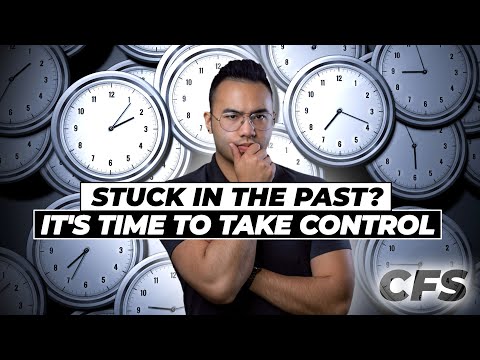
Watch: How to Overcome PTSD With CFS
In this video, Miguel shares the specific moment that changed everything for him: when he detached from his past and hit the restart button. He explains the elephant analogy, the rubber band effect, and what it takes to replace old beliefs with new ones.
Watch: How to Overcome PTSD If You Have CFS
What Keeps You Chained to the Past
Certain patterns make it harder to break free from illness-related trauma. Understanding them helps you catch yourself when you're falling back into them.
Replaying traumatic episodes. Your mind keeps going back to the worst crashes, the most frightening moments, the times you felt most helpless. Every replay reinforces the neural pathways that keep the nervous system in survival mode.
Holding onto anger and resentment. Anger toward doctors who dismissed you. Toward the ambulance workers who said you'd be fine. Toward yourself for the decisions you made. That anger feels justified, and it is. But carrying it keeps your nervous system activated. The anger isn't hurting them. It's hurting your recovery.
Defining yourself by your illness. When "sick person" becomes your core identity, everything you do and think filters through that lens. You can't imagine yourself as anything else. Even when good things happen, the identity pulls you back: "But I'm still the sick person."
Avoiding anything new because past attempts failed. You tried a supplement and it didn't work. You tried a doctor and they couldn't help. You tried a program and nothing changed. So now you don't try anything, because trying feels risky. But not trying is what keeps you stuck.
Negative emotional quicksand. You know you need to shift your mindset, but you can't just "snap out of it." It's not that simple. The more you struggle, the deeper you sink. The old patterns are strong because they've been reinforced for years.
Waiting for a single breakthrough moment. The rubber band doesn't snap instantly for most people. It requires constant, daily work. Stretching it a little further each day until finally it gives way.
What Actually Helps
Breaking free from CFS-related trauma requires two things happening simultaneously: letting go of old beliefs and replacing them with new ones. You can't do just one. Dropping old beliefs without replacing them leaves a vacuum. And new beliefs can't stick if the old ones are still running in the background.
Step 1: Detach from your past
This was the turning point for Miguel. When he moved into the psychiatric ward and his doctor told him he was going to be 100% fine, something broke. The rubber band snapped. He described it as feeling like "the weight of the world was lifted off my shoulders." The anger, the resentment, the regret, all of it left his body.
Detaching doesn't mean forgetting. It means you stop letting past experiences drive present decisions. You stop replaying the worst moments. You stop carrying anger toward people who let you down. You become a blank slate.
Step 2: Replace old beliefs with new ones
This is where the actual rewiring happens. The old beliefs ("I'll never walk again," "My life is over," "Nothing works") need to be actively replaced with new ones based on evidence. Not positive thinking. Evidence. Real stories of recovery. Real understanding of how the nervous system works. Real science behind neuroplasticity and the brain's ability to change.
Miguel emphasizes this isn't just about watching videos or reading about recovery. It's about applying what you learn. Trying the brain retraining exercises. Challenging old thought patterns. Doing the uncomfortable work day after day.
Step 3: Stay consistent
The hardest part isn't understanding what needs to change. It's doing it consistently when everything in your body and mind is pulling you backward. Like swinging a baseball bat: you might miss many times. But you have to keep swinging. Because the one time you connect, everything changes.
What our clients experience
We've got over 3,000 documented client wins across our community. Many of those specifically describe the moment they were able to let go of the past and start believing recovery was possible. That shift in belief is often what people point to as the turning point in their journey.
This isn't theory. It's documented. You can hear these stories directly from the people who lived them on our recovery stories page.
A real example: Miguel's turning point
Miguel was 100% certain his life was over. Not 80% certain. 100%. He had been sick for four and a half years. Eight months bedridden. Getting spoon-fed. Wearing a blindfold and earplugs all day. Getting blood thinners injected daily. He couldn't even sit upright. But when his doctor told him what was actually happening and gave him a clear path forward, everything changed. He came in with an open mind, dropped his old beliefs, and replaced them with new ones. Within months, he was hiking in Hawaii. Today he lives without any symptoms.
Summary
PTSD and trauma with CFS aren't just about what happened before you got sick. The illness itself creates layers of trauma that keep the nervous system locked in survival mode. Your "sick person" identity, the anger, the resentment, the fear of trying again: all of these act as chains holding you back. Breaking free requires consciously detaching from the past and replacing old beliefs with new ones rooted in real evidence of recovery. It's the hardest thing you'll do. But it's also the most important turning point in the recovery process.
Sources and References
- Heim C, Nater UM, Maloney E, et al. "Childhood trauma and risk for chronic fatigue syndrome." Arch Gen Psychiatry. 2009. PubMed 19524224
- Chu L, Valencia IJ, Garvert DW, Montoya JG. "Onset patterns and course of myalgic encephalomyelitis/chronic fatigue syndrome." Front Pediatr. 2019. PubMed 30287204
- Poeschla B, Strachan E, Dansie E, et al. "Daily stress and the Chronic Fatigue Syndrome." Psychosom Med. 2013. PubMed 28854160
- Gulyaeva NV. "Neuroplasticity and recovery of function: molecular mechanisms and therapeutic approaches." Biochemistry (Moscow). 2022. PubMed 35164308
Frequently Asked Questions About PTSD and CFS
Yes. The experience of being chronically ill, especially severe episodes like being bedridden, emergency room visits, and crashes, can be deeply traumatic. Each crash becomes a traumatic event that the nervous system records and fears repeating.
Over time, the accumulated trauma from the illness itself becomes a major factor keeping the nervous system stuck in survival mode.
Trauma keeps CFS going by keeping the nervous system locked in fight-or-flight mode. Past traumatic experiences create neural pathways that default to fear and protection.
The nervous system can't calm down because it's constantly bracing for the next bad thing to happen. This perpetuates the cycle of symptoms, fatigue, and flare-ups.
Detaching from the past means consciously letting go of the identity, beliefs, and emotional weight tied to your illness experience. It doesn't mean forgetting what happened.
It means stopping the constant mental replaying of traumatic events, releasing anger and resentment, and creating a clean slate from which to build new beliefs about what's possible for your recovery.
You feel stuck because your nervous system has been conditioned to believe it can't break free. Like the baby elephant tied to a stake, your beliefs about what's possible were shaped during your worst moments.
Those beliefs keep pulling you back even when you consciously want to move forward. The solution is to actively challenge and replace those beliefs with new evidence of what's possible.
Yes. Recovering from illness-related PTSD isn't only possible, it's often a necessary step in the overall recovery process. It requires actively replacing old beliefs with new ones and consistently building new neural pathways.
Many people in the CFS Recovery community have broken free from trauma that kept them stuck for years. It's the hardest work in recovery, but often the most impactful.
CFS-related PTSD shares the same nervous system mechanisms as other forms of PTSD, but the source of trauma is often the illness itself. Emergency visits, severe crashes, being bedridden, being dismissed by doctors.
These are ongoing, repeated traumas rather than a single event. The compounding nature of illness-related trauma can make it particularly sticky because new traumatic events keep getting layered on top of old ones.
You Can Break Free From the Past. Recovery Is Possible.
Thousands of people in our community have let go of the trauma, the identity, and the beliefs that kept them stuck. With coaching from people who've recovered themselves, you'll learn how to release the weight of the past and build something new.
Take the Free Self Assessment →