Walking Downstairs Felt Like a Marathon. Now She's Training for a 10K.
"I didn't think I would ever, ever run again. Recovery would be just getting through a normal workday. But now I'm actually going out there jogging, and it's really, really fun."
Individual results vary. This is one person's experience and is not a guarantee of specific outcomes.
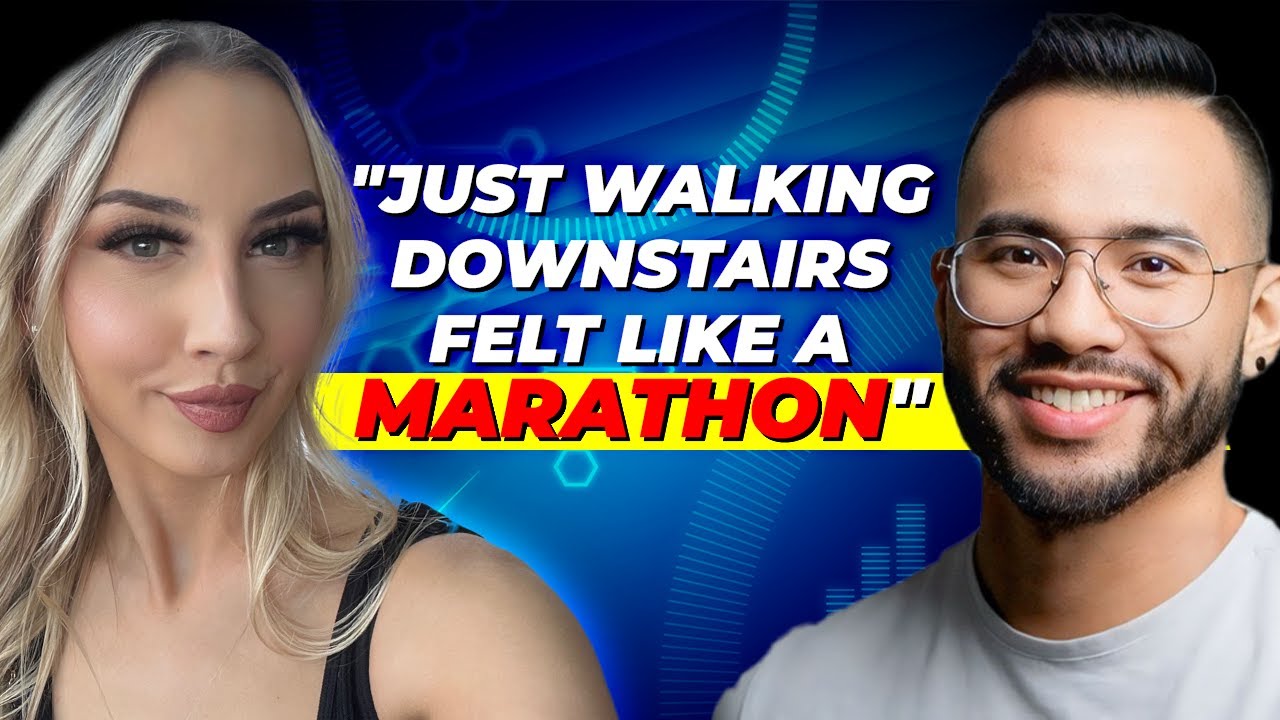
Watch Anita's full recovery interview
Key Takeaways From Anita's Recovery
| Condition: | CFS, triggered by a likely Delta COVID infection plus viral overload. Housebound for months, 2,000-3,000 steps a day. |
| Treatments that failed: | Endocrinologists, neurologists, infectious disease specialists, naturopath, Chinese medicine, antidepressants, vagus nerve stimulator. |
| What worked: | CFS Recovery's recovery system, built on nervous system retraining, reframing adjustment periods, and community support. |
| Timeline: | From 2,000 steps/day to a multi-day rave in Sydney with 17,000 steps in 3 months. Hiking Hawaii at 6 months. |
| Now: | 80-85% recovered. Jogging daily, training for a 10K marathon, handling stress without crashing. |
What Caused Anita's Chronic Fatigue Syndrome?
Anita's CFS started with a likely Delta COVID infection in 2021. She was sick for two to three weeks, followed by a headache that lasted a month. An MRI came back clean. Then she got bitten by a bug that wouldn't heal for months. Then food poisoning from contaminated mussels. Each hit stacked on top of the last.
The slow buildup that hit overnight
For most of the year, the fatigue showed up a few days at a time. Nothing major. Then one morning, it hit all at once. She woke up feeling like a train had run over her. She went to her doctor, got routine blood tests, and everything came back normal. That same story plays out for so many people with post-viral fatigue.
Anita saw nearly every specialist: endocrinologists, infectious disease doctors, neurologists. They tested for glandular fever, Ross River virus, every mosquito-borne illness they could think of. Still nothing. One doctor told her it was anxiety and put her on antidepressants. The medication helped with the anxiety, but the fatigue didn't budge.
Anita's symptoms at her worst
The fatigue wasn't ordinary tiredness. Anita described it as feeling poisoned. Like cement was running through her body. Walking downstairs to the couch felt like running a marathon. A constant weighted blanket sensation pressed her down every single day, like an extra 20 kilos sitting on top of her.
- Crushing fatigue
- Weighted body sensation
- Panic attacks
- Daily crying
- Nausea
- Brain fog
- Exercise intolerance
- Anxiety
- Unrefreshing sleep
How Did Anita's CFS Get Worse Before She Found Help?
Anita took a full year off work, hoping rest would fix everything. She stayed home, barely went out, and played it safe. The rest didn't work. She eventually clawed back to about 60-70% functioning, enough to work from home and even travel to Bali. But her nervous system was still stuck.
The crash that changed everything
In 2023, Anita developed vestibular neuritis, an inflammation of the inner ear that caused severe vertigo and vomiting. The hospital put her on the highest dose of steroids for two weeks. While on the steroids, she barely slept (2 hours a night). When she weaned off, the fatigue came back harder than ever. She was right back to where she'd been in 2021.
Then she made things worse. She bought a vagus nerve stimulation device and used it for 2 hours a day, three days in a row. The instructions said start with 30 seconds. Her whole body shook for four weeks afterwards. Her jaw was shaking. She couldn't sleep. By the time she reached out to CFS Recovery, she was working from her laptop on the floor because she was too sick to sit at a desk. Daily nausea so intense she could barely eat.
What Treatments Did Anita Try Before CFS Recovery?
Anita went through a long list of treatments and specialists before finding the right approach. She saw endocrinologists, infectious disease specialists, neurologists, naturopaths, and Chinese medicine practitioners. She was prescribed antidepressants and tried a vagus nerve stimulation device. She also tried other brain retraining programs that didn't fully click.
The cycle of hope and disappointment
When Anita first Googled chronic fatigue syndrome, she found a 5% recovery rate and spiraled. She became hysterical. Depression set in and her medication had to be increased. The online forums and Facebook groups were full of negativity and people saying recovery wasn't possible. This is something we see constantly. People search for answers and find fear instead of hope.
Through all of this, Anita had been watching CFS Recovery's YouTube content for over a year. She understood the nervous system retraining approach. It clicked. But she wasn't ready to fully commit until that steroid crash forced her hand. That's when she reached out and said, "I'm ready."
How Quickly Did Anita's Recovery Progress?
Anita joined CFS Recovery's recovery system in June 2023. The first month was tough. She was resistant to change and wanted a quick fix. But she committed fully to the recovery principles, leaned into the community, and started seeing results.
The breakthrough weekend in Sydney
By September, just three months in, the breakthrough came. Anita had a packed weekend: getting ready for her partner's university ball, dancing all night, getting home at 2 a.m., waking at 5 a.m. for a flight to Sydney. In Sydney, she did 17,000 steps in a day, visited the zoo, went to dinner, and then attended a massive rave with 60,000 people. She got home at 4 a.m. and woke up at 7 a.m. for the flight home.
The result? Almost zero symptoms through the entire weekend. For someone who three months earlier was on the floor with her laptop, this was a massive shift.
Before vs. after: Anita's recovery by the numbers
| Metric | Before Recovery | After 8 Months |
|---|---|---|
| Daily steps | 2,000-3,000 | 13,000-20,000 |
| Functional level | Housebound, working from the floor | 80-85% recovered |
| Exercise | Stairs felt like a marathon | Jogging daily, training for 10K |
| Travel | Unable | Hawaii trip, Diamond Head hike |
| Social life | Isolated at home | Raves, concerts, festivals |
| Stress response | Panic attacks, daily crying | Calm, logical, resilient |
Hawaii: the dream that came true
Hawaii was Anita's "North Star." When she first joined the program, it was the goal she wrote down in her vision exercise. The dream that felt impossible. A few months later, she was there. She did 13,000 to 20,000 steps every single day. She went shopping, ate whatever she wanted, spent hours at the beach. On the last day, she hiked Diamond Head in 30-degree heat and finished faster than her partner.
The first seven days in Hawaii were completely symptom-free. The last five had small bouts of fatigue that even her healthy partner was feeling from the heat and walking. Normal tiredness. Not CFS.
What Made the Biggest Difference in Anita's Recovery?
Anita pointed to two things above everything else: understanding adjustment periods and the community.
Reframing adjustment periods
Before the program, any time symptoms showed up after an activity, Anita would spiral. "Not this again. I'm going backwards. I shouldn't have done that." That negative spiral would make everything worse. Through the program, she learned to see adjustment periods as part of growth, not as signs of failure. She'd pull back, respond calmly, think logically instead of emotionally, and remind her brain there was no real danger.
The coaching and community support
Anita gave a special shoutout to her coach, Crista. Every time an adjustment period hit, she'd set up a call. "Every time I got into an adjustment period, I'd set up a call with Crista and she'd make me sane again," Anita said. Having that safety net made the hard days manageable. The community helped too. Seeing other people's wins in the channels, hearing about recoveries, watching people who were in her exact position months ago now thriving. That flipped a switch.
Where Is Anita Now?
Anita is at 80-85% recovered and climbing. She's jogging daily using a structured build-up plan: 10 minutes of power walking, 10 minutes of jogging, 10 minutes of cooldown. She's training for a 10K marathon in October. She handles stress without crashing, doesn't sweat the small stuff, and responds to challenges with logic instead of emotion.
She describes getting CFS as a "blessing in disguise" because it taught her how to manage stress, think differently, and build a healthier relationship with her nervous system. Her story is one of over 70+ documented recovery interviews from people across 20+ conditions who've gone through CFS Recovery's recovery systems.
Anita's Recovery Wins
Your Recovery Story Could Be Next
Anita spent 3 years searching for answers. She saw every specialist, tried every treatment, and nearly gave up. Every person on our Recovery Stories page once felt exactly like you do now. Exhausted. Skeptical. Wondering if recovery was even possible.