From Bedbound With 50+ Symptoms to Rock Climbing
"I had over 50 different symptoms and they were rotating. After getting COVID, my first symptoms were POTS. Now I'm rock climbing and living a normal life."
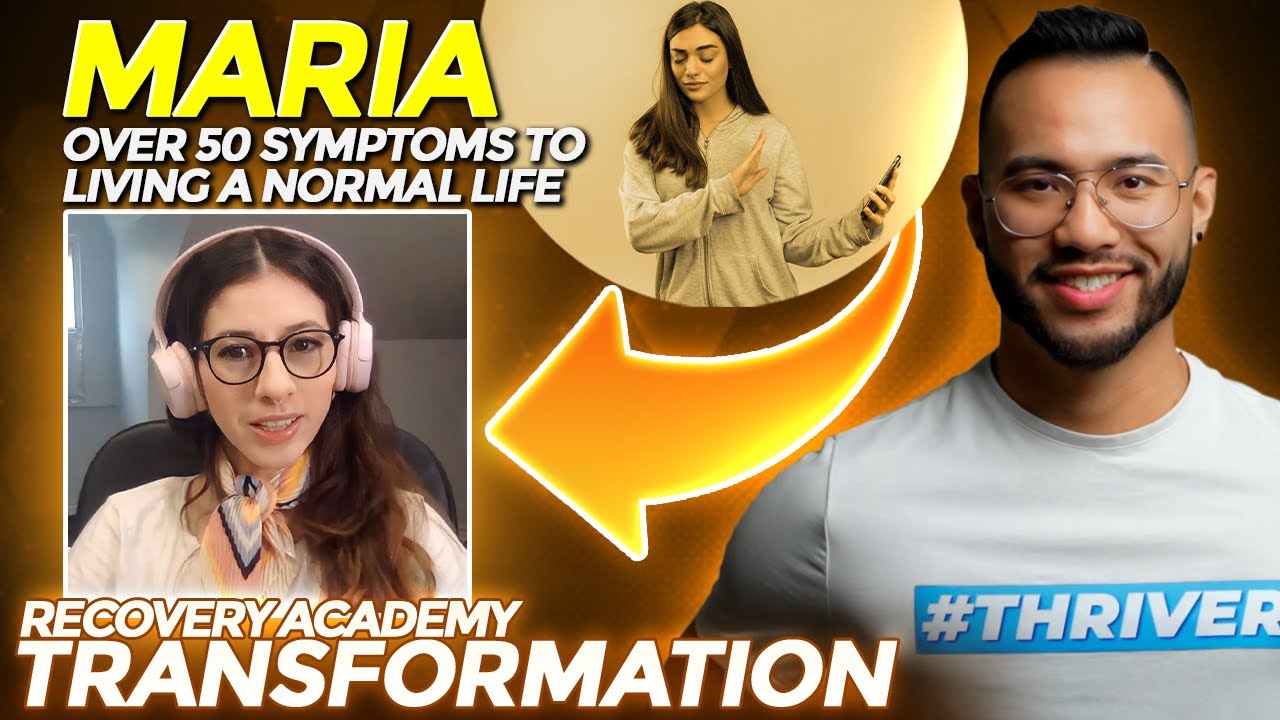
Watch Maria's full recovery interview
Key Takeaways From Maria's Recovery
| Condition: | Long COVID with POTS, fibromyalgia, and 50+ rotating symptoms. Bedbound and housebound. |
| Onset: | Caught COVID three months after moving from Colombia to Canada. Downward spiral over months. |
| What failed: | Doctors said "nothing is wrong with you." All tests and MRIs came back normal. No answers, no treatment plan. |
| What worked: | CFS Recovery Academy's nervous system retraining program, community support, and guided neuroplasticity protocols. |
| Now: | Rock climbing, taking public transit, socializing, cooking, cleaning, grocery shopping. Living a normal life. |
How Maria's Long COVID Started
Maria is a photographer and UX designer from Colombia. She moved to Canada for a fresh start, and just three months after arriving, she caught COVID. That's when everything changed. What started as post-viral fatigue turned into a full-blown nervous system crisis with over 50 different symptoms that kept rotating.
POTS: the first warning sign
Her first symptoms were POTS (postural orthostatic tachycardia syndrome). She didn't know what POTS was at the time, but the signs were impossible to ignore. Lightheadedness. Dizziness. A heart rate of 150 beats per minute just from walking across a room. Standing up felt like running a sprint. And that was only the beginning.
As the months went on, more symptoms appeared. Heat sensitivity so severe she couldn't tolerate the sun on her skin. Rashes. Palpitations and tachycardia from a warm shower. Then migraines that lasted weeks.
The Neurological Symptoms That Changed Everything
After the POTS and cardiovascular symptoms came the neurological ones. Blurry vision. A terrifying distortion in depth perception where Maria's brain couldn't process how far or close objects were. Her brain simply wasn't working the way it should.
Neuropathic pain and fibromyalgia
Then came the neuropathic pain. Maria felt electricity running through her arms, the back of her neck, and her back. The pain was intense, constant, and could easily be labeled as fibromyalgia. Her neck and back were in agony. And on top of all of that, the psychological symptoms arrived.
Panic attacks, 24 hours a day, seven days a week. She couldn't tolerate screens, sounds, light, or any type of stimuli without triggering a cascade of anxiety and physical symptoms inside her body. Depression. A sense of impending doom. Catastrophizing around the clock.
What the Doctors Told Maria
Maria went through the familiar cycle that so many people with Long COVID and nervous system conditions experience. Test after test. Scan after scan. Every single one came back normal.
Her doctors told her: "There's nothing wrong with you. All your tests are fine. Your MRI is fine. This is probably caused by COVID, and we don't know anything about it. We don't know if you're going to recover."
No plan. No answers. No direction. Just "we don't know." For someone already dealing with 50+ symptoms, hearing "we can't help you" was devastating.
Why standard tests miss nervous system dysregulation
This is something we see over and over. Standard medical testing looks for structural damage. But when the problem is a hypersensitive nervous system stuck in a stress response, there's nothing for an MRI or blood test to find. The issue may be functional rather than structural, which is why a coaching-based approach rooted in neuroplasticity can help where traditional medicine falls short.
How Maria Found CFS Recovery
Maria found CFS Recovery the same way thousands of people do: searching YouTube. She was desperate, searching for Long COVID answers, when she came across the channel. She checked out the Recovery Jumpstart program but couldn't afford it at the time. She entered her contact information and waited.
When the Recovery Academy opened, she got the email and didn't hesitate. She joined immediately. She was actually one of the very first members of the Academy.
Why the Academy was different
Maria joined at her absolute worst. May, June, and July were her rock bottom. She was housebound, sometimes bedbound for weeks. She couldn't tolerate noise, light, screens, or even going outside. Her nervous system was so overwhelmed that the outside world itself felt like a threat.
What made the Academy different from other programs? Maria put it simply: the knowledge is out there for free. But when your brain isn't working right, you can't use it. You're trying to fix your brain with a brain that's not working. You need guidance, reassurance, and a community of people who understand.
Maria's Recovery Progress in Three Months
Maria joined the Academy at the beginning of July. The calls started in early August. By mid-October, just three months later, her life looked completely different.
Before vs. after: Maria's recovery by the numbers
| Area | Before Program | After 3 Months |
|---|---|---|
| Daily life | Housebound / bedbound for weeks | Cooking, cleaning, grocery shopping independently |
| Stimuli tolerance | Couldn't handle noise, light, or screens | 3 hours at a crowded mall, no symptoms |
| Transportation | Couldn't leave apartment | Taking subway and public transit |
| Social life | Complete isolation | Socializing with friends again |
| Entertainment | No TV, reading, or music possible | Watching TV, reading, listening to music and podcasts |
| Emotional resilience | Any emotion triggered physical symptoms | Working with therapist on emotional processing |
She went to the mall for the first time. A crowded, overstimulating place. She stayed for three hours and came home with zero symptoms. She started taking the subway again, which was critical since she doesn't have a car. She began socializing with friends. She went back to her therapist and started emotional processing work.
Inside her apartment, she could do everything for herself. Cook. Clean. Go out for groceries. She went from being unable to do anything to watching TV, reading, listening to music, and listening to podcasts.
The community that made it possible
Maria highlighted the Academy community as one of the biggest factors in her recovery. People from Australia, the United States, all over Europe, and Canada. All different symptoms, different backgrounds, different stories. But all connected by the same experience.
And the coaching team had seen it all. Maria said she'd never asked a question they didn't have an answer to. That level of experience and reassurance made a real difference when the symptoms felt overwhelming.
Where Is Maria Now?
Maria is rock climbing, taking public transit, socializing with friends, and living a normal life. She went from being a photographer and UX designer who couldn't even look at a screen to getting her entire career back.
She's not managing symptoms. She's not "coping." She's living. And she wants everyone who's skeptical to know: she was skeptical too. She watched another recovery story on the channel and thought, "How can someone be that sick and then three months later be doing all of this? It's impossible." Now she's living proof that it's real.
Her story is one of over 70+ documented recovery interviews from people across 20+ conditions who've gone through CFS Recovery's programs.